WELCOME TO OUR BLOG

We're sharing knowledge in the areas which fascinate us the most
click

Electric vs. Diesel Scissor Lifts: Real Talk on Which One Actually Makes Sense for Your Jo

By globalmachex February 27th, 2026 3 views

Quick Intro—Why This Choice Matters


So let's keep it simple. Scissor lifts are simple. They are designed to move people and things up and down. But how they do that changes everything about where you can use them, how long they can be used for, and how much trouble they are to use.

Electric lifts are quiet, clean, and happy indoors. Diesel lifts are loud, stinky, and happy anywhere there's dirt and mud. They are built for different worlds, and if you mix them up, you'll know it by lunchtime.

The question isn't "which one is better?" It's "which one is better for what I'm doing today?"

Answering the Main Question


Electric Scissor Lifts—The Inside Workers

What They Are:

Electric scissor lifts run on batteries. No fuel, no exhaust, no noise. Just a motor that hums and a platform that goes up and down. They've got non-marking tires so they don't scuff up nice floors, and they're usually narrower than their diesel cousins .

Where They Shine:

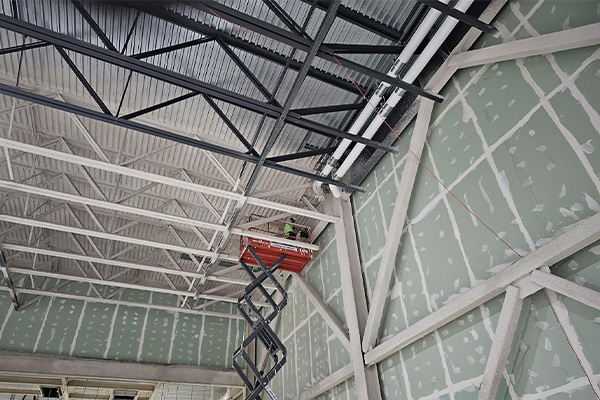
Inside. Warehouses, retail stores, convention centers, hospitals—anywhere people are breathing. You can run one all day in a finished building and nobody's going to complain about the smell because there isn't one .

They're also great for jobs where noise matters. Schools during class hours, offices during work hours, residential areas early in the morning. An electric lift doesn't announce itself. It just works.

The Good Stuff:

Zero emissions. Your lungs and the safety guy will thank you .

Quiet. Like, conversation-level quiet .

Less maintenance. No oil changes, no fuel filters, no spark plugs .

Cheaper to run per hour. Electricity beats diesel on cost, usually .

Non-marking tires. No black streaks on that polished concrete .

The Stuff That'll Get You:

Runtime is limited. Batteries die. If you forget to charge overnight, you're done by noon .

Charging takes hours. You can't just dump five gallons in and keep going .

Less power. Electric lifts generally can't lift as much or go as high as big diesel models .

Rough terrain? Forget it. Mud, gravel, slopes—they're not happy .

Fewer options. The market has way more diesel models at the extreme ends of height and capacity .

Diesel Scissor Lifts—The Outdoor Brutes

What They Are:

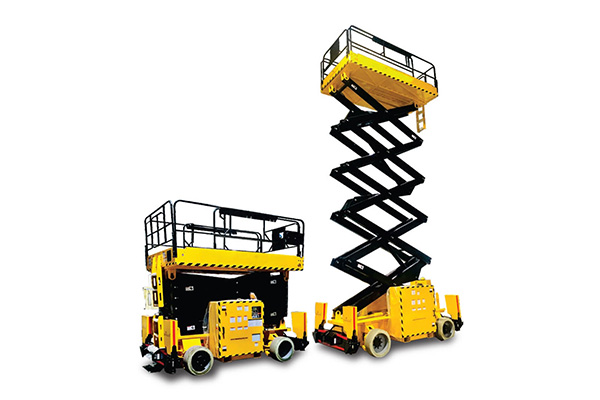
Diesel scissor lifts are the workhorses of outdoor construction. Big engines, rough tires, four-wheel drive. They're built to sit in mud, climb slopes, and run all day without complaining .

Where They Shine:

Outside. Construction sites, road work, bridge jobs, anything with dirt. If your ground isn't pavement, you probably want diesel. They handle the rough stuff that makes electric lifts tuck tail and run .

They're also the choice for really tall lifts. When you need to get 40, 50, 60 feet up, diesel is usually how you get there .

The Good Stuff:

Run all day. Refuel at lunch, keep going. No charging anxiety .

More power. Higher weight limits, bigger platforms, more workers and materials at once .

Rough terrain capability. Four-wheel drive, lug tires, real suspension .

Wider selection. More models, more heights, more capacities .

Fast refueling. Five minutes at the pump beats eight hours on a charger .

The Stuff That'll Get You:

Fumes. Diesel exhaust inside a building is a bad time for everyone .

Noise. They're loud. Really loud. You'll know one is running from across the site .

More maintenance. Oil, filters, fuel, wear parts—it adds up .

Higher fuel cost. Diesel isn't cheap, and they drink it .

Can't go inside. Most indoor sites won't let you run one, period .


How to Actually Decide


Step One: Look at the Ground

This is the quickest way to narrow it down. What's under the lift?

Polished concrete? Finished floor? Tile? Go electric.

Mud, gravel, dirt, grass? Go diesel.

Pavement? Either could work, but check the next steps.

The machine has to sit on that ground, drive across it, and stay stable. If it's soft or rough, diesel's your friend. If it's nice and smooth, electric's fine.

Step Two: Look at the Building

Are you inside or outside?

Inside—especially if it's finished, occupied, or has people working nearby—electric is the only real choice. Diesel exhaust in enclosed spaces is dangerous. Full stop.

Outside, you've got options. But if you're working near air intakes, windows, or areas where people are eating lunch, electric keeps the peace.

Step Three: Think About Time

How long do you need the lift to run? All day, every day, for a month? Diesel might be simpler because refueling is fast.

One-day job, one lift, one crew? Electric's fine if you charge overnight.

Multiple shifts? Diesel lets you hand off the machine without waiting for batteries.

Step Four: Check What You're Lifting

How many people? How much material?

If you're just sending one guy up with hand tools, electric handles that fine. If you need three guys, a stack of drywall, and a bucket of mud on the platform, you might need the capacity of a bigger diesel model.

Check the weight ratings. Don't guess.

Step Five: Look at the Rules

Some sites have rules. Hospitals, clean rooms, schools, government buildings—they might mandate electric only. No exceptions.

Some cities have emissions rules or noise ordinances that push you toward electric, especially for work near homes or at night.

Know the rules before you show up with the wrong machine.

Step Six: Consider Your Support System

Got a place to charge? Reliable power on site? Someone remembering to plug it in at night? If not, diesel's easier.

Working remote, no power, middle of nowhere? Diesel wins by default.

Fleet consistency matters too. If everything else on site runs on diesel, adding one electric machine means managing fuel and charging separately. Not a huge deal, but worth thinking about.

Summary


Here's the cheat sheet:

Indoors, finished floors, noise-sensitive areas, no ventilation? Electric. Every time.

Outdoors, rough ground, mud, slopes, need max power? Diesel. Don't overthink it.

Paved outdoor sites, light duty, short jobs? Either works. Pick based on runtime and charging access.

Need to go really high or lift really heavy? Diesel's probably your answer.

Worried about emissions, noise, or regulations? Electric keeps you out of trouble.

There's no universal right answer. There's just the answer that fits your job. Match the machine to the ground, the building, and the work, and you'll be fine.

Frequently Asked Questions

Q: Can I use an electric scissor lift outdoors?

A: Yes, on paved or firm, level surfaces. But keep it away from mud, soft ground, and steep slopes. And watch your battery life—cold weather can cut runtime .

Q: How long do electric scissor lift batteries last?

A: Typically a full shift—8 to 10 hours—if they're fully charged and in good condition. But age, temperature, and usage all affect it .

Q: Can I run a diesel scissor lift indoors?

A: Generally no. Exhaust fumes are dangerous in enclosed spaces. Some sites allow it with ventilation, but most don't. Check local regulations before trying .

Q: Which one costs less to rent?

A: Electric models often rent for slightly less, but it varies by region, size, and demand. Diesel might be cheaper for specialty high-capacity models because they're more common .

Q: What about maintenance? Which is cheaper long-term?

A:Electric wins on maintenance. Fewer moving parts, no oil changes, no fuel system issues. Diesel costs more to maintain over time—filters, oil, wear items add up .

Q: How do I know if my site has charging for electric?

A:Ask. Look for exterior outlets, talk to the site superintendent, check if generators are available. Don't assume power is where you need it .

Aerial Work Platform Safety: What to Do and What to Avoid If You Want to Stay Alive
Previous
Aerial Work Platform Safety: What to Do and What to Avoid If You Want to Stay Alive
Read More
Forklift Batteries: How to Stop Killing Them and Make Them Last
Next
Forklift Batteries: How to Stop Killing Them and Make Them Last
Read More
Categories