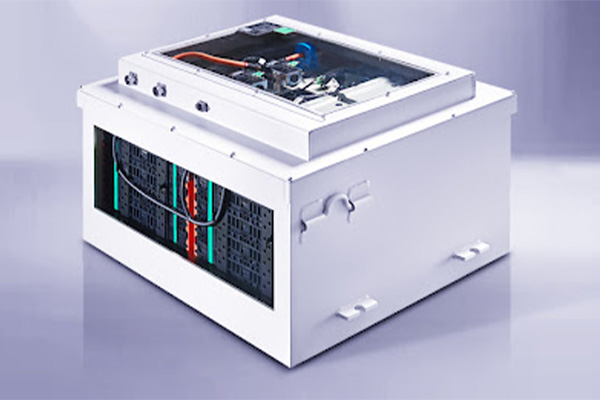
Let's be real. Forklift batteries aren't cheap. Replacing a whole fleet's worth of them is the kind of expense that makes accountants cry. But most facilities treat them like light bulbs—run 'em until they burn out, then buy new ones.
The problem is, batteries give you warning signs long before they fail. They just don't shout. They lose a little runtime here, struggle a little there, and eventually, you're swapping batteries at lunch instead of after the shift.
The difference between a battery that lasts and one that dies young usually comes down to three things: how you charge it, how you maintain it, and where you keep it. Get those right, and you'll get years more life out of every battery in your fleet.

Not all forklift batteries are the same. If you don't know which type you have, you're flying blind.
Lead Acid Batteries
These are the old reliables. They've been around forever, they're cheaper upfront, and they work. Two lead plates dunked in sulfuric acid and water. Simple stuff. But they're heavy, they need maintenance, and they're picky about how you charge them .
Lithium Ion Batteries
These are the new hotness. Lighter, more efficient, no maintenance, and they charge faster. They cost more upfront, but they last way longer and save money over time . Most new forklifts are coming with lithium options because the benefits are hard to ignore.
The rules for keeping them alive are totally different. Mix them up and you'll wreck both.

Rule One: Know What a "Charge Cycle" Means
Here's where people mess up.
With lead acid, every time you plug it in, you use up one of its roughly 1,500 charge cycles. Doesn't matter if it was almost dead or almost full—plugging it in counts as a cycle .
With lithium, it's different. Only charging to 100% counts as a full cycle. If you top it off from 50% to 80%, that's only a partial cycle . This means you can opportunity charge lithium batteries all day without killing them.
Rule Two: Don't Let Lead Acid Sit Half-Dead
Lead acid batteries hate being left at partial charge. When they're sitting there, not on the charger, a chemical reaction keeps happening inside. It slowly eats away at the plates. If you leave one at 40% over the weekend, you've done damage .
Solution? When a lead acid battery isn't being used, keep it on the charger. Sounds backwards, but it's right.
Lithium? They don't care. Leave them wherever.
Rule Three: Give Them Breaks
Batteries get hot when they work. Heat kills batteries. Lead acid batteries especially need time to cool down. If you run one hard all morning, then plug it in immediately, you're cooking it .
Let them rest. Lunch breaks are perfect. Take the battery off the truck, let it sit, then charge it. Or charge it, then let it sit before using it again. Just give it time to breathe.
Rule Four: Don't Run Them Dry
Running a battery down to zero is bad news. It heats everything up—cables, motors, contacts. Stuff melts. Stuff fails.
The rule of thumb? Charge when you hit 30%. Never go below 20% if you can help it . If you do accidentally kill one dead, give it a full, uninterrupted charge to recover.
Rule Five: Fast Charging Is a Trade-Off
Fast charging is tempting. Who doesn't want a battery charged in an hour instead of eight?
But fast charging creates heat. A lot of heat. For lead acid batteries, that heat can cut their life in half—literally shave years off . Lithium handles fast charging much better, so if you need fast charge, you probably want lithium .
Watering Lead Acid Batteries
If you've got lead acid, you've got to water them. Distilled water only. Tap water has minerals that ruin everything .
How often? About every five charge cycles . Not too much, not too little. Overfill and acid spills out. Underfill and the plates get exposed and damaged. There's a sweet spot, and you need to hit it.
Checking for Crystal Growth
Look at the plates inside a lead acid battery. See white crystals? That's sulfur building up. It's bad. It means the battery can't charge right and won't hold power .
If you see a little, a tech might fix it. If you see a lot, start shopping for a new battery.
Lithium? Just Use It
Lithium batteries are basically zero maintenance. No watering. No checking for crystals. No equalizing charges. Just use them and charge them . This is why people pay more upfront—they save on labor and hassle forever.
Batteries are divas about temperature.
Hot warehouses—above 92 degrees—can cut battery life in half . The heat speeds up chemical reactions, and not in a good way.
Cold warehouses—30 degrees or below—kill performance. You might lose 30% of your runtime in the cold .
If your operation runs hot or cold all the time, look for batteries rated for those temps. Regular batteries aren't built for extremes.

Here's the short version of everything above:
Know which battery you have. Lead acid and lithium are different animals with different rules.
Charge lead acid only when low, and keep them on the charger when not in use.
Charge lithium whenever—partial charges don't hurt them.
Let batteries rest. Heat is the enemy.
Don't run them below 20% if you can help it.
Fast charging kills lead acid. Lithium handles it better.
Water lead acid batteries regularly with distilled water. Don't overfill.
Check for white crystals on lead acid plates.
Keep batteries cool. Heat and cold both hurt.
Batteries aren't cheap. Treat them right and they'll treat you right.
A: Usually every five charge cycles. But check them regularly—if the plates are exposed, add water. If they're covered, leave it. Use distilled water only .
A: Yes. Lithium batteries have built-in management systems that stop charging when full. Leaving them plugged in won't hurt them .
A: It'll die young. Fast charging creates heat, and heat destroys lead acid batteries. You might lose two or three years of life .
A: Cold weather slows down the chemical reactions inside batteries. You can lose up to 30% of your runtime in freezing conditions .
A: When it won't hold a charge long enough to finish a shift, even after proper maintenance. Lead acid usually lasts about 1,500 cycles, lithium about 3,000 .
A: Depends on your operation. If you can afford the higher upfront cost, lithium saves money long-term through longer life, no maintenance, and opportunity charging. If cash is tight now, lead acid still works fine .