Categories
Categories

Rotary Tiller Market 2023-2032: What's Really Driving Growth

If you've ever broken ground by hand, you know the difference a machine makes. That's rotary tillers. Old-school tool, fast-changing market. Global market hit ~$2.65B in 2024, could reach $3.69B by 2032. Some say even higher—$5.2B by 2030, growing 6.5% annually. Numbers are one thing. What's driving them? Where's this market headed? Let's cut through the noise.
Mar 6th,2026 67 Views

The Lay of the Land: Rotary Tillers in 2026


What Exactly Is a Rotary Tiller?

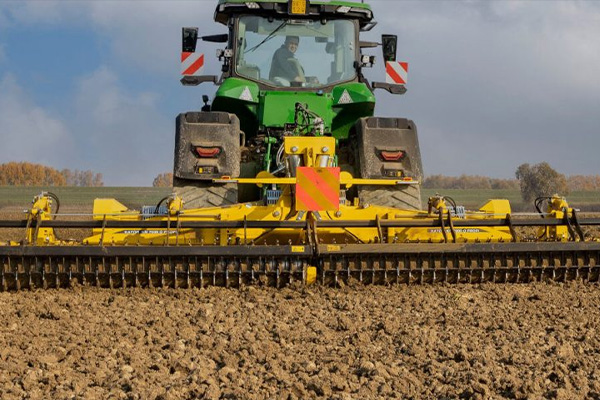
A rotary tiller, sometimes called a rotavator or rototiller, is basically a motorized cultivator that breaks up soil using spinning blades or tines . It's not just for farming—you'll find these machines in gardens, landscaping projects, road construction, and even oilfield pipe cleaning . The blades dig in, churn up the dirt, and leave you with a seedbed ready for planting. Some are small enough to push around your vegetable garden. Others are massive units hitched to tractors that can tear through acres in hours instead of days .

The COVID Hangover and Recovery

The pandemic threw a wrench into the works. Production slowed down, supply chains got tangled, and sales took a hit in 2020 . Major markets like the U.S., Germany, UK, and China all felt the squeeze. Manufacturers had to make tough calls—some halted production, others laid off workers just to stay afloat . But by 2021, things started turning around. The industry learned some hard lessons about protecting supply chains and keeping workers safe, and those changes are still shaping how companies operate today .

Where the Growth Is Coming From

The Asia-Pacific region is leading the charge, with countries like India and China driving huge demand . Why? Traditional farming cultures are meeting modern efficiency needs. Farmers there want to save time and cut labor costs, and rotary tillers deliver both . North America and Europe aren't far behind, with steady growth fueled by advanced farming techniques and a push for sustainable agriculture .

What's Actually Driving the Market


Labor Shortages and the Push for Mechanization

Here's the thing—farmers everywhere are struggling to find help. Younger generations aren't exactly lining up for back-breaking manual labor. That leaves a gap, and machines are filling it. Rotary tillers let one person do the work of several, and they do it faster . The demand for mechanical equipment keeps climbing because it's efficient and saves time . It's not complicated math: fewer hands available means more machines needed.

Food Demand Isn't Going Down

The global population keeps growing. The UN estimates we'll need 70% more food by 2050 to feed nearly 10 billion people . That's a lot of meals. To hit those numbers, farmers have to get more out of every acre. Rotary tillers help by improving soil health, boosting aeration, and creating better conditions for seeds to grow . Higher yields start with better soil prep, and that's exactly what these machines do.

Technology Is Changing the Game

Rotary tillers aren't just spinning blades anymore. GPS guidance, auto controls, and even electric models are showing up . Electric tillers are getting more attention because they're quieter, cleaner, and cheaper to run than gas or diesel versions . Battery tech keeps improving, so range and power aren't the obstacles they used to be. For small-scale farmers and urban gardeners who care about emissions, electric tillers are becoming a real option.

Government Help Doesn't Hurt

Subsidies and incentives for farm mechanization are pushing the market forward, especially in developing countries . Governments want higher productivity and more sustainable practices, and they're willing to help farmers buy the equipment to make that happen. That lowers the barrier for smallholders who might otherwise stick with manual methods.

What This Means for Buyers and Manufacturers


Front-Tine vs. Rear-Tine: It's About the Job

If you're in the market for a tiller, the first choice is usually front-tine or rear-tine. Front-tine tillers have the blades in front of the wheels. They're lighter—under 100 pounds—and easier to maneuver in tight spaces . Perfect for small-to-medium gardens under 5,000 square feet, where you're working pre-worked soil or weeding between rows . They take more muscle to operate, but they're affordable.

Rear-tine tillers put the blades behind the engine. These are the heavy hitters, weighing up to 500 pounds, digging 10 inches deep with tilling widths up to 20 inches . The blades spin opposite the wheels, which gives enough bite to break new ground, handle rocks and roots, and work tough soil . If you're tackling a large area—5,000 to 10,000 feet—or breaking ground that's never been farmed, rear-tine is the way to go .

Blade Shapes Matter More Than You'd Think

The blades themselves come in different shapes for different jobs. 'L' shaped blades are common for general tilling, cutting through soil and chopping residue. 'C' shaped blades curve more and work well in harder ground. 'J' shapes and straight knife blades have their own specialties, from heavy-duty digging to cleaner cuts in certain conditions . Matching blade type to soil conditions isn't just about performance—it affects wear and tear, fuel use, and how long the machine lasts.

Applications Beyond the Farm

Sure, agriculture is the biggest slice of the pie—about 50% of the market . But rotary tillers show up everywhere. Commercial landscaping crews use them to prep sites. Gardeners rely on them for flower beds and vegetable patches. Forestry operations use them for reforestation projects . Even road construction crews bring in tillers for certain jobs . That diversity of applications spreads the risk—if one sector slows down, others keep the market moving.

Who's Playing in This Space

The major players aren't hard to find. Kubota, John Deere, Mahindra, Land Pride, Woods Equipment—these names show up on job sites and dealer lots around the world . But there's room for regional players too, especially in Asia where local manufacturers understand the specific needs of smallholder farmers . Competition keeps prices in check and pushes innovation, which is good news for buyers.

The Cost Reality

Here's the catch: good equipment costs money. High-quality rotary tillers with advanced features aren't cheap, and that initial investment can scare off small-scale farmers in developing regions . But the math usually works out over time. Reduced labor costs, faster work, better yields—the payback period is shorter than you'd think. For manufacturers, the challenge is finding ways to offer entry-level models that still do the job without breaking the bank.

What's Coming Next

Keep an eye on a few trends. Electric tillers will keep gaining ground as battery tech improves and environmental rules tighten. Precision agriculture—using data to make smarter decisions—will push tillers with GPS and automated controls . And in developing markets, as more farmers transition from manual to mechanized methods, demand will keep climbing . The companies that figure out how to serve that middle ground—affordable but capable—will win.

The Bottom Line


The rotary tiller market isn't standing still. It's growing at a steady clip, driven by real needs: more food, fewer workers, better technology, and government support. Asia-Pacific leads the way, but every region has its own story. For buyers, the key is matching the machine to the job—front-tine for gardens, rear-tine for heavy ground, electric for sustainability. For manufacturers, the opportunity lies in understanding those different needs and building equipment that fits.

The next decade will bring more changes. Tougher environmental rules, smarter machines, shifting farming practices. But the basic job of a rotary tiller—breaking ground and getting it ready for planting—isn't going anywhere. That's why this market keeps moving.

Frequently Asked Questions

Q: How big is the global rotary tiller market right now?

A: The market was valued at about $2.65 billion in 2024 and is projected to reach $3.69 billion by 2032 . Other estimates put it around $3.5 billion in 2022 with growth to $5.2 billion by 2030 . Numbers vary, but the trend is clearly up.

Q: What's the difference between front-tine and rear-tine tillers?

A: Front-tine tillers have blades in front of the wheels. They're lighter, cheaper, and better for small gardens and pre-worked soil . Rear-tine tillers put blades behind the engine, weigh more, dig deeper, and handle rocks, roots, and tough ground much better .

Q: Which regions are growing fastest for rotary tillers?

A: Asia-Pacific leads the pack, especially India and China, driven by large agricultural sectors and increasing mechanization . North America and Europe also show steady growth from advanced farming techniques and sustainability trends .

Q: Are electric rotary tillers worth considering?

A: For small to medium jobs, yes. Electric tillers are quieter, have zero emissions, and lower operating costs . Battery tech keeps improving, so range and power are less of an issue than they used to be. They're especially appealing for urban farmers and anyone focused on sustainability.

Q: What kind of maintenance do rotary tillers need?

A: Regular checks on blades, belts, and fluid levels. Blades wear down and need replacement, especially in rocky or sandy soil . For gas and diesel models, engine maintenance follows standard small-engine schedules. Electric models need less day-to-day upkeep but battery health matters.

Q: How do I choose the right tiller for my farm or garden?

A: Start with the size of the area and the soil condition. Small gardens under 5,000 square feet with loose soil do fine with front-tine models . Larger areas or tough, unbroken ground need rear-tine tillers . Consider blade shape based on your soil type—'L' blades for general use, 'C' for harder ground .

Q: Who are the major manufacturers in this market?

A: Big names include Kubota, John Deere, Mahindra, Land Pride, Woods Equipment, Alamo, and Caroni spa . Regional players also matter, especially in Asia where local manufacturers serve smallholder farmers .