Categories
Categories

Precision Agriculture Is Paying Off: New Data Shows the Numbers Behind the Story

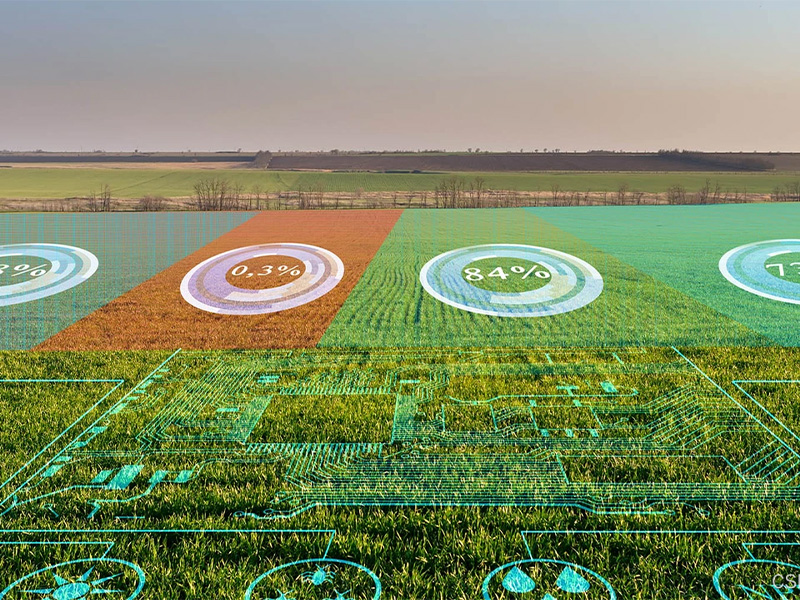
Put cameras on spray booms, sensors in soil, GPS in the cab—what happens? More food, less stuff, more land left alone. That's the takeaway from a new AEM report, updated August 2025 with Farm Bureau, soybean, corn, and crop groups. Numbers worth watching.
Mar 10th,2026 68 Views

The Situation: More Food, Fewer Inputs, Same Land


The original report came out in 2020. Five years later, the update shows that precision agriculture isn't just a nice-to-have anymore—it's delivering real results at scale . U.S. farmers using these technologies have bumped up annual crop production by 5 percent. And if adoption keeps spreading, there's another 6 percent gain sitting on the table .

But yield is only part of the story. The report also crunched the numbers on what precision ag means for land use. Here's a number that stops you: 11.4 million acres. That's how much cropland farmers have avoided bringing into production because they're getting more out of the acres they already work . To put it in terms that stick, that's five times the size of Yellowstone National Park. Land that stays as habitat, grassland, or forest instead of being plowed up.

What the Numbers Actually Say


Yield Gains Are Real

The 5 percent boost in annual crop production isn't a guess—it's based on current adoption rates across the country. And the potential for another 6 percent means there's still room to run . That matters because the world isn't getting any smaller. More people need to eat, and they need to eat on the same amount of land. Precision ag is one of the tools that makes that math work.

Water Savings Add Up

Here's something the 2020 report didn't highlight as much: water. The updated data shows U.S. farms have cut annual water use by 5 percent by adopting smart irrigation systems and soil moisture sensors . Austin Gellings from AEM put it in terms that hit home—that's about 824,000 Olympic-sized swimming pools worth of fresh water saved . When you think about where water is tight, that number starts to mean something.

The Economics Work

Input costs are down. Productivity is up. That combination puts billions back into the farm economy . Farmers using precision tech aren't just growing more—they're spending less to do it. In an era when margins get squeezed from every direction, that's not a small thing.

The Targeted Spray Story


The 2025 report introduces something new: a deep dive into targeted spray application . This technology is still in early adoption, but the numbers are already eye-opening. Depending on the application window, farmers can cut herbicide volume by 50 to 90 percent .

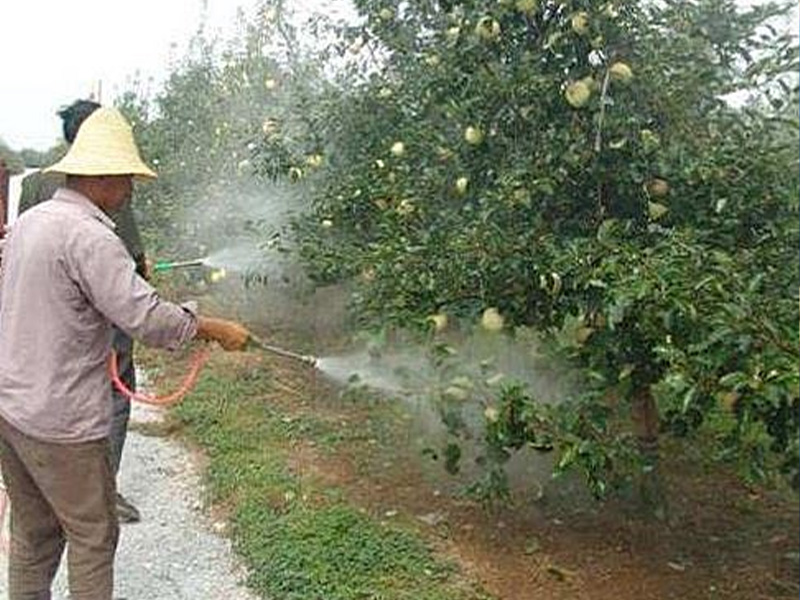
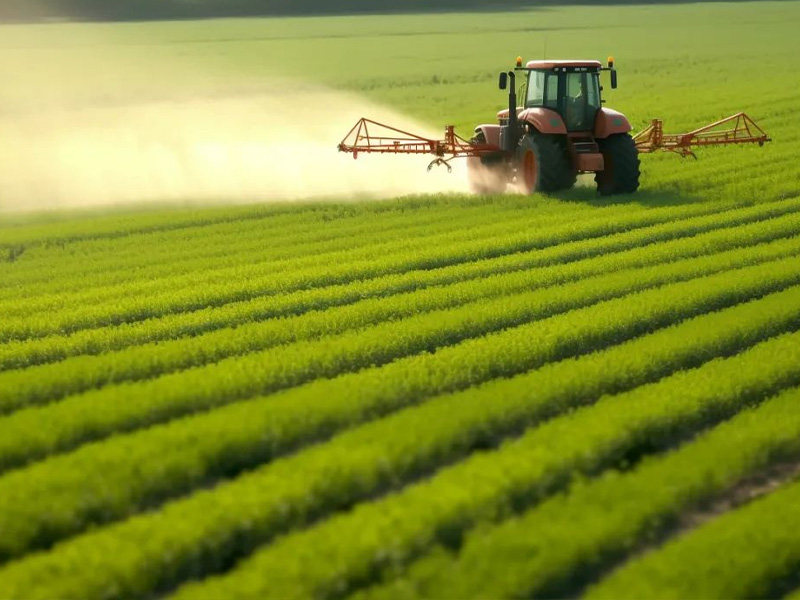
Why does that matter? Because spraying an entire field when only parts of it have weeds is like paying to heat every room in your house when you're only sitting in the kitchen. It works, but it's wasteful. Targeted sprayers use cameras and onboard processing to spot weeds in real time and hit only where needed .

The savings add up fast. John Deere reported that customers using See & Spray technology across more than five million acres in 2025 cut non-residual herbicide use by nearly 50 percent on average—saving about 31 million gallons of herbicide mix . That's not a pilot program. That's scale.

And it's not just about saving chemicals. Research sponsored by John Deere across seven states showed an average yield bump of 2 bushels per acre in soybeans where targeted spraying was used instead of broadcast, with an upper range of 4.8 bushels . Less crop injury, healthier fields, better returns.

Farmers on the ground see it too. Kansas farmer Jesse Blasi watched a demo where the sprayer hit a weed hiding behind a soybean stalk the size of a pencil. "It took me three minutes to find the weed the sprayer hit," he said . That's the difference between guessing and knowing.

On Blasi's 4,500-acre farm, the savings hit $123,000 in 2024 compared to the year before . That's real money.

What This Means for the Food System


Supply Chain Resilience

When you can produce more with less, the whole system gets stronger. The report makes the point that precision ag helps stabilize prices for consumers . That's because efficient production buffers against some of the shocks—weather, input price spikes, labor shortages—that send prices bouncing.

Environmental Wins

Curt Blades from AEM summed it up: society as a whole benefits from healthier soils, more responsible water use, and fewer emissions . The land-sparing piece alone—11.4 million acres not plowed—is a big deal for wildlife, carbon storage, and water quality. And when you're putting less herbicide on the ground, that's less that can run off into streams and rivers.

Room to Grow

The report's "additional 6 percent" potential yield gain if adoption increases is worth thinking about . That's not coming from new land or new varieties—it's coming from doing what we already do, but with better information and more precise tools. The technology exists. The question is how fast it spreads.

Where the Industry Goes From Here


Megan Tanel, AEM's president and CEO, put it in terms that matter for policymakers and investors: these findings make a data-driven case for advancing policies, investment, and infrastructure that support precision agriculture . That means things like rural broadband, research funding, and programs that help farmers afford the transition.

For farmers, the message is simpler: the numbers are in. Precision ag pays. It pays in yield, in input savings, in water conservation, and in avoided land conversion. And technologies like targeted spraying are just getting started—the 50-90 percent herbicide savings are from early adopters. As the tech gets better and cheaper, those numbers could climb.

For the rest of us—the people who eat food grown on these farms—the takeaway is that American agriculture is getting more efficient in ways that matter. More food, fewer inputs, less environmental footprint. That's a story worth telling.

The Bottom Line


The updated AEM report puts numbers on something farmers have known for a while: precision agriculture works. It's not hype. It's not a future promise. It's happening now, and it's delivering measurable gains in productivity, efficiency, and environmental stewardship.

Five percent more production. Eleven million acres left untouched. Billions in economic gains. Fifty to ninety percent herbicide savings in targeted spraying. These aren't small numbers.

And as Megan Tanel said, precision ag is a story of progress . The updated report is just the latest chapter.

Frequently Asked Questions

Q: How much has precision agriculture increased U.S. crop production?

A: Current adoption has driven a 5 percent boost in annual crop production, with potential for another 6 percent gain if adoption increases further .

Q: What does "land-sparing" mean in the report?

A: It means farmers are getting enough yield from existing cropland that they've avoided bringing 11.4 million new acres into production—an area five times the size of Yellowstone National Park .

Q: How much water are farmers saving with precision ag?

A: U.S. farms have cut annual water use by 5 percent through smart irrigation and soil moisture sensors—equivalent to about 824,000 Olympic-sized swimming pools .

Q: What's the deal with targeted spraying?

A: Targeted sprayers use cameras and processors to spot weeds in real time and spray only where needed. Early adopters are cutting herbicide volume by 50-90 percent depending on the application window . John Deere customers using this tech saved nearly 31 million gallons of herbicide mix in 2025 .

Q: Does targeted spraying affect yields?

A: Yes. Research across seven states showed an average yield increase of 2 bushels per acre in soybeans compared to broadcast spraying, with an upper range of 4.8 bushels. Less crop injury means healthier fields .