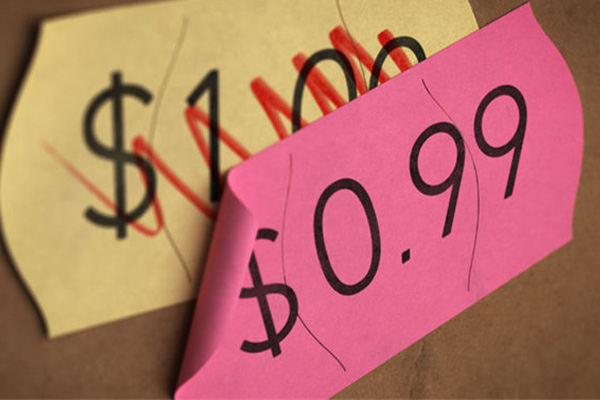
That number on the window? It's a liar. A polite fiction. The beginning of a conversation, not the end of one.
The real cost of owning heavy equipment is everything that happens after you sign the papers. The payments you make every month. The maintenance that never stops. The downtime when something breaks. The fuel you burn. The value you lose every time you turn the key.
If you only look at the purchase price, you're setting yourself up for a nasty surprise. This article is about the surprises—the ones nobody warns you about until you're writing checks you didn't plan for.

Let's start with the obvious. The machine costs money. A new excavator might run you $100,000 to $500,000 depending on size. Used ones can save you 25 to 50 percent, but condition matters .
But here's what they don't put on the price tag:
Sales tax. Varies by state, but figure 5 to 10 percent extra .
Delivery. That machine doesn't drive itself to your yard. Lowboy trucks cost money .
Assembly. Some equipment comes knocked down. Putting it together takes time and labor .
Attachments. Buckets, thumbs, quick couplers—the machine is useless without them .
Branding. Decals, paint, your company name. Adds up faster than you'd think .
Add all that up and you're looking at 10 to 15 percent on top of the purchase price before you've moved a single yard of dirt .
Unless you've got a pile of cash sitting around, you're financing. And financing costs money.
Run the numbers on a $150,000 machine at 6 percent over five years. You'll pay about $44,000 in interest alone . That's almost a third of the machine's value again, just for the money.
And here's the kicker—those payments don't care if work is slow. They don't care if it's raining. They don't care if the project got delayed. Every month, that payment is due. Rain or shine.
If you own it, you insure it. Period.
Figure around $256 a month for a million in liability coverage, or about $3,000 a year . But that's just a starting point. Your actual rate depends on:
What the machine is worth
Your company's history (claims or no claims?)
How much coverage you want
Where you're working
Shop around. Rates vary. But don't skip it. One accident without insurance and you're out of business.
Here's a fun fact: the moment you take delivery of that new machine, it's worth less than what you paid.
That's depreciation. And it never stops.
Every hour on the meter drops the value. Every scratch, every dent, every repair. And eventually, technology moves on and your perfectly good machine becomes "old" whether you like it or not .
How much? A $150,000 machine might be worth $90,000 in three years. That's $60,000 gone, just from time and use .
The upside? You can write off depreciation on your taxes. But it still hurts when you go to sell.
Machines break. That's just life.
Oil changes, filters, hydraulic fluid, grease—it never ends. A well-maintained machine costs less over time, but it still costs. And as machines age, stuff fails. Hydraulic pumps. Engines. Final drives. Repairs that run five figures and take weeks .
If you're not setting money aside for maintenance, you're gambling. And eventually, you lose.
Big machines drink diesel like it's going out of style. A dozer or excavator can burn 5 to 8 gallons an hour . At $4 a gallon, that's $32 an hour just to run the thing.
On a 2,000-hour year, that's $64,000 in fuel. Before anything else.
Fuel prices bounce around like a basketball. You can't control it, but you have to account for it.
Where's the machine when it's not working?
If you've got land, maybe it sits there. If not, you're paying for yard space. Add security, lighting, maybe a fence. Costs add up .
And when it needs to move? Lowboy trucks aren't free. Permits for oversized loads aren't free. The driver's time isn't free. Every move costs money .

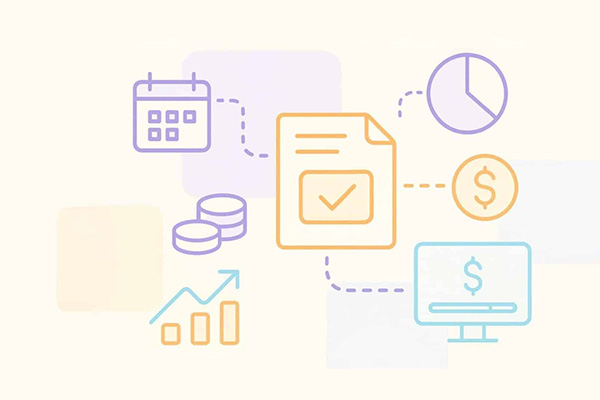
Grab a spreadsheet. Seriously.
Start with the purchase price. Add sales tax, delivery, attachments, assembly—everything you paid before the machine worked its first hour.
Then add:
Annual loan payments (principal + interest)
Annual insurance
Estimated annual maintenance (rule of thumb: 10 to 15 percent of machine value per year for older stuff, less for new)
Annual fuel cost (hours × gallons per hour × fuel price)
Storage and transportation estimates
Spread that over how many years you'll keep it. Divide by total hours you'll run it.
Now you've got a cost per hour. Compare that to rental rates.
Here's the hard truth: owning only makes sense if you use the machine a lot.
Industry rule of thumb? You need to be at 60 to 70 percent utilization or higher . That means the machine is working most days, most weeks, most months.
If it sits idle half the time, you're paying for a very expensive lawn ornament. Rentals make more sense for sporadic work.
Take that cost-per-hour number you calculated. Multiply by the hours you'll need the machine next year.
Then call a rental yard. Get a rate for the same machine, same attachments, delivered.
Compare them. If owning is cheaper, buy. If renting is cheaper, rent. It's not more complicated than that.
But remember—rental rates include maintenance and repairs. If your machine breaks, you eat those costs. Factor that in.
Sometimes owning just feels better. It's yours. You can paint it your colors. You can put your name on it. You can send it to any job, anytime, without calling anyone.
That has value. Just don't pretend it's free.
What happens when you want to sell?
Some machines hold value better than others. Cats usually do. Lesser brands, not as much. Research resale values before you buy, not after .
And be realistic about condition. A beat-up machine with high hours isn't worth much, no matter what it cost new.

Here's the short version:
The purchase price is just the beginning. Add 10 to 15 percent for taxes, delivery, attachments, and setup .
Financing adds years of interest payments. A $150,000 loan at 6 percent costs an extra $44,000 over five years .
Insurance runs about $3,000 a year for a million in coverage .
Depreciation eats value every day. That new machine is worth less the moment you take delivery .
Maintenance never stops. Budget for it .
Fuel is a major expense. Big machines burn 5 to 8 gallons an hour .
Storage and transportation cost money every time the machine moves or sits idle .
Run the numbers before you buy. Cost per hour vs. rental rates. Be honest about utilization.
If you don't use it constantly, renting might be smarter.
Buying equipment is a big deal. Do it with your eyes open, not just your heart.
A: Rule of thumb is 10 to 15 percent of the machine's value annually for older equipment, less for new. But it varies by machine age, hours, and how hard you run it .
A: Depends on your cash flow, risk tolerance, and how long you'll keep it. New machines cost more upfront but have lower maintenance and better reliability. Used machines are cheaper but unpredictable. Run the numbers both ways .
A: Probably downtime. When a machine breaks, you're not just paying for repairs—you're losing revenue. And if it's down long, you might have to rent a replacement, paying twice .
A: Industry benchmark is 60 to 70 percent utilization. If your machine sits idle more than a third of the time, renting might be cheaper .
A: Clean it up, fix what's broken, take good photos, and list it on multiple platforms. Auction if you need it gone fast, private sale if you want top dollar. Know your market value before you list .
A: Yes, if the machine will generate enough revenue to cover the payments and you can't pay cash. Just don't ignore the interest cost when calculating your total expense .