WELCOME TO OUR BLOG

We're sharing knowledge in the areas which fascinate us the most
click

Conveyor Belts: How to Make Yours Last Longer Than the Warranty

By globalmachex March 4th, 2026 56 views

Quick Intro—Why Your Belt Keeps Dying


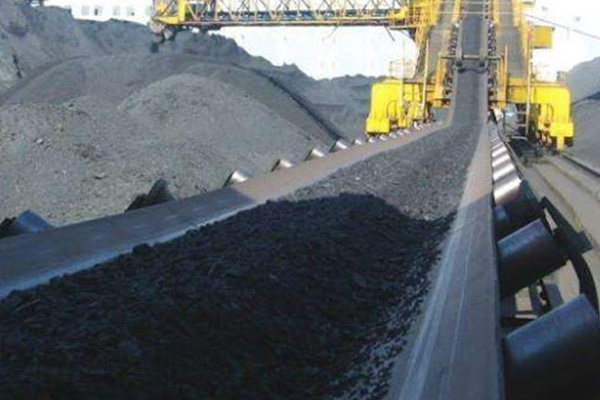
Let's be honest. Conveyor belts take a beating. Hour after hour, day after day, they carry stuff, get scraped, flex around pulleys, and deal with whatever the environment throws at them. Heat, cold, dust, grease, chemicals—none of it fazes them until suddenly it does.

But here's the pattern I've noticed: belts don't fail from one big thing. They fail from a thousand little things that nobody fixed. A misalignment here, a worn roller there, some buildup that should have been cleaned last week. Each one by itself is nothing. Add them up, and you're shopping for a new belt.

The good news? Most of this stuff is easy to spot if you know what to look for. And even easier to fix.

Answering the Main Question


First Things First—Did You Pick the Right Belt?

This is where most problems start. Someone ordered a belt because it was cheap, or because that's what they always order, without thinking about what it actually has to do.

Belts aren't one-size-fits-all. Rubber, PVC, metal mesh, food-grade—each one is built for different jobs . If you're moving hot material, you need a belt that handles heat. If you're in a food plant, you need something you can sanitize. If you're moving sharp, abrasive rock, rubber with the right cover thickness matters.

The wrong belt for the job wears out fast. Like, embarrassingly fast. I've seen belts that should have lasted five years get chewed up in eighteen months because someone thought "a belt is a belt."

Also, look at your environment. Hot, cold, wet, dusty, chemicals—all of it affects how fast a belt degrades . A belt sitting outside in the sun will dry out and crack way faster than one inside a climate-controlled building.

The fix? Before you buy, ask questions. What's the material? How hot? How sharp? What's the operating temperature? Match the belt to the job, not the other way around.

Installation—Get This Wrong and Nothing Else Matters

You can buy the best belt in the world, but if it's installed crooked, it's going to fail.

Misalignment is a belt killer. When the frame isn't straight, or the tension is off, the belt drifts. It rubs against things it shouldn't. It wears unevenly. It causes tracking problems that never stop .

And tension? Too tight and you stretch the belt, stressing the whole system. Too loose and it slips, causing heat and wear .

Then there's splicing—joining the two ends to make a loop. A bad splice is a weak spot that will eventually tear. Mechanical splices, vulcanized splices, cold bond—each has its place, but they need to be done right by someone who knows what they're doing .

If you're not sure about your installation, get a pro. It's cheaper than replacing a belt that failed because someone eyeballed the alignment.

The Daily Stuff That Actually Matters

Once the belt is running, it's all about catching problems before they become emergencies.

Look at the belt itself. Walk past it every day. Look for fraying edges, cracks, cuts, or worn spots . If you see something, flag it. Don't wait until the tear is three feet long.

Check the tension. Does it feel right? Is it slipping under load? Does it track straight when running? These are things you notice if you pay attention.

Look at the rollers and pulleys. Worn rollers can chew up belt edges. Seized bearings cause flat spots. Pulleys with buildup throw the belt off track .

Listen. Belts make noise when something's wrong. Squealing, grinding, rubbing—if it sounds different, find out why.

Clean it. I know, nobody likes cleaning conveyor belts. But buildup under the belt or on rollers creates friction, misalignment, and extra wear . In food plants, it's also a contamination risk and often required by regulation .

A few minutes a day beats a shutdown that lasts all afternoon.

Tension and Tracking—The Dynamic Duo

These two go together. Get them right and the belt runs smooth. Get them wrong and you're constantly fighting problems.

Too much tension stretches the belt and wears out bearings. Too little lets it slip and drift .

Tracking is about keeping the belt centered. If it runs to one side, the edge rubs against the frame or structure, wearing out fast. Misalignment also causes spillage, which creates cleanup work and safety hazards .

The fix? Regular checks. If the belt drifts, adjust it early before the edge gets damaged.

Don't Forget What's Underneath

The belt itself doesn't need grease. But everything else does.

Bearings, pulleys, motor mounts—these need regular lubrication with the right stuff . Dry bearings overheat and seize. Seized bearings flat-spot rollers, which then damage the belt.

Use the right grease for your environment. Food-grade if you're in a food plant. High-temp if it's hot. Wrong lubricant can cause breakdowns or contamination .

Train Your People

Here's one nobody thinks about. The people running the line can either help keep the belt alive or kill it faster.

Overloading the belt. Jamming the system. Using sharp tools to clean. All of it damages the belt .

A few minutes of training goes a long way. Show them what to look for. Tell them who to call when they see something weird. Make it clear that reporting a small problem now beats dealing with a big one later.

You don't need them to be belt technicians. You just need them to use their eyes and speak up.

When to Stop Fixing and Start Replacing

At some point, every belt reaches the end. The question is knowing when.

If you're constantly patching the same spots, and the patches don't hold, that's a sign . If the belt has stretched so much you can't maintain proper tension, that's another . If it's causing repeated downtime because it keeps failing, that's costing you more than a new belt would .

Do the math. Add up what you've spent on repairs over the last year. Add the cost of downtime. Compare that to a new belt installed. Sometimes the cheaper option is actually the new one.

How to Actually Keep Your Belt Alive


Step One: Walk the Line Every Day

Not once a month. Every day. Five minutes. Look at the belt, the rollers, the pulleys, the tracking. Feel the tension. Listen for weird noises. Check for buildup underneath.

Write it down if you have to. A logbook helps you spot patterns—like a roller that keeps going out of alignment, or a spot that wears faster than others .

Step Two: Fix Small Problems Immediately

That frayed edge you noticed last week? Still there. Now it's a tear. Now you're down for two hours.

Small problems don't fix themselves. They get bigger. Fix them when you see them.

Step Three: Keep It Clean

Figure out a cleaning routine that works for your operation. Scrapers, brushes, air knives, washdowns—whatever it takes to keep buildup from accumulating under the belt or on rollers .

In food or pharma, cleaning isn't optional. It's the law. But even in a gravel pit, buildup causes wear.

Step Four: Lubricate Moving Parts

Check bearings, pulleys, motor mounts. Grease them on a schedule. Use the right grease. Keep records so you know when it was last done .

Step Five: Train Your Crew

Show them what to look for. Tell them to report anything weird. Make it easy for them to speak up without feeling like they're bothering anyone.

Step Six: Know When to Call It

When repairs stop working, or when the belt causes more downtime than it's worth, replace it. Do the math. Don't throw good money after bad.

Summary


Here's the short version:

  • Pick the right belt for the job. Wrong belt wears out fast .
  • Install it right. Crooked installation kills belts .
  • Inspect daily. Look at the belt, rollers, tension, tracking .
  • Clean regularly. Buildup causes wear and misalignment .
  • Lubricate everything that moves (except the belt itself).
  • Train your people to spot problems early .
  • Replace when repairs stop working.
 
A conveyor belt is a simple machine. It runs and runs until something stops it. Most of the time, that something is preventable. Pay attention, fix small things, and your belt will run for years longer than the one down the street that nobody looks at.

Frequently Asked Questions

Q: How often should I inspect my conveyor belt?

A: Daily. A quick walk-by takes five minutes and catches problems before they become emergencies. For high-use systems, some inspections should happen every shift .

Q: What's the most common cause of belt failure?

A: Probably misalignment. When the belt runs off-center, it rubs against structures, wears edges, and causes tracking issues that never stop .

Q: Can I repair a torn belt myself?

A: Small tears and edge damage can often be repaired in-house with the right tools and materials. But if you're not sure, call someone who knows. A bad repair fails fast .

Q: How do I know if my belt tension is correct?

A: The belt should run without slipping under load, but not be so tight that it strains the system. Check manufacturer specs. If it's constantly drifting or squealing, tension is probably off .

Q: What's the best way to clean a conveyor belt?

A: Depends on what you're moving. Dry materials might only need scrapers and brushes. Wet or sticky materials might need washdowns. Food applications need sanitary cleaning methods .

Q: How long should a conveyor belt last?

A: Varies wildly based on material, environment, and maintenance. Five to ten years is common with good care. Less if abused. More if babied .

The Real Cost of Owning Heavy Equipment: What Nobody Tells You Before You Buy
Previous
The Real Cost of Owning Heavy Equipment: What Nobody Tells You Before You Buy
Read More
Motor Grader Parts: What Actually Matters and What You Can Ignore
Next
Motor Grader Parts: What Actually Matters and What You Can Ignore
Read More