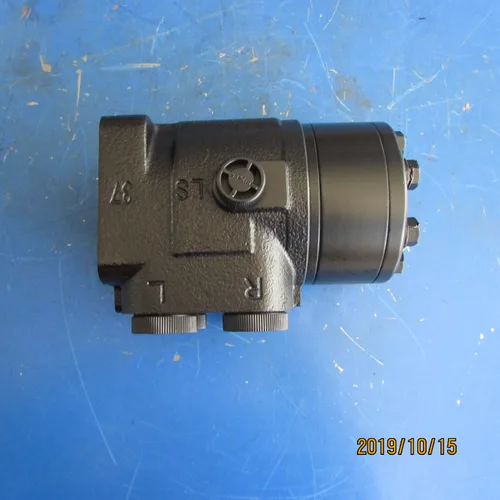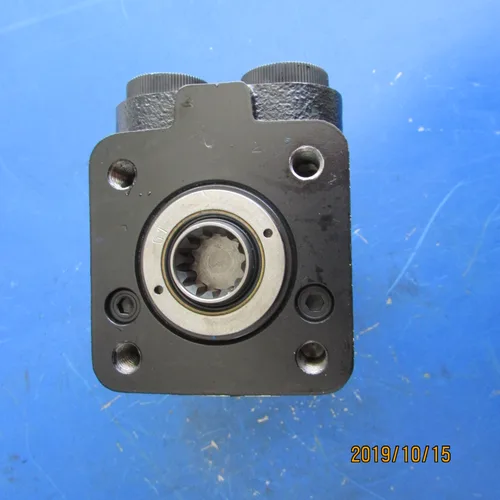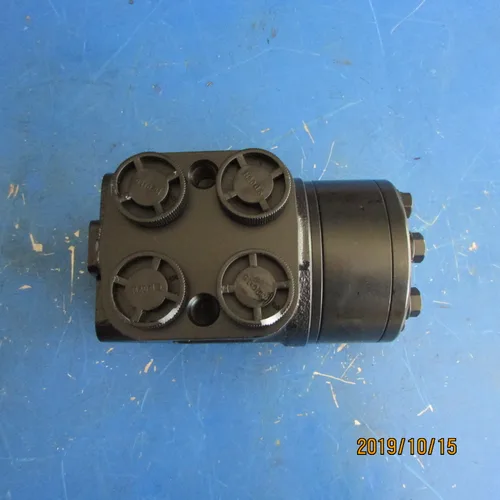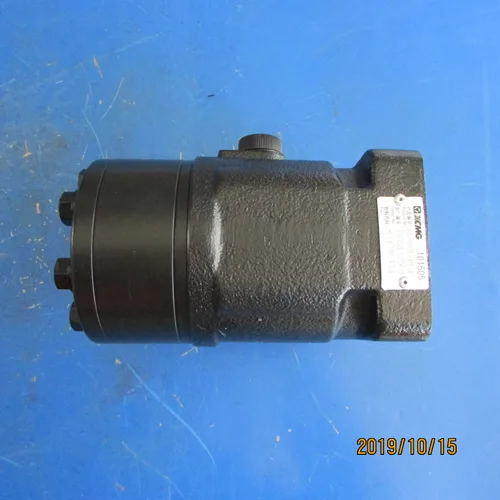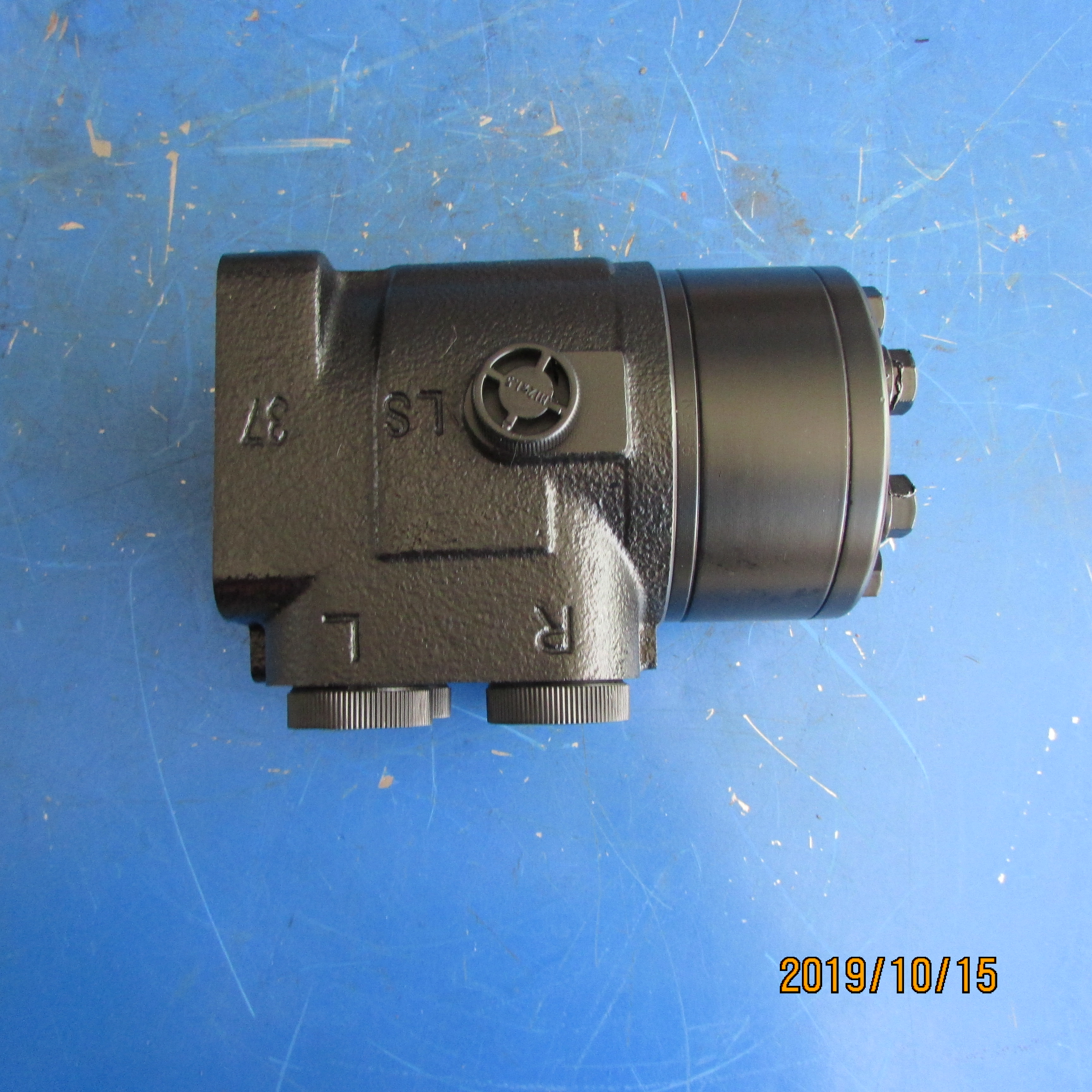
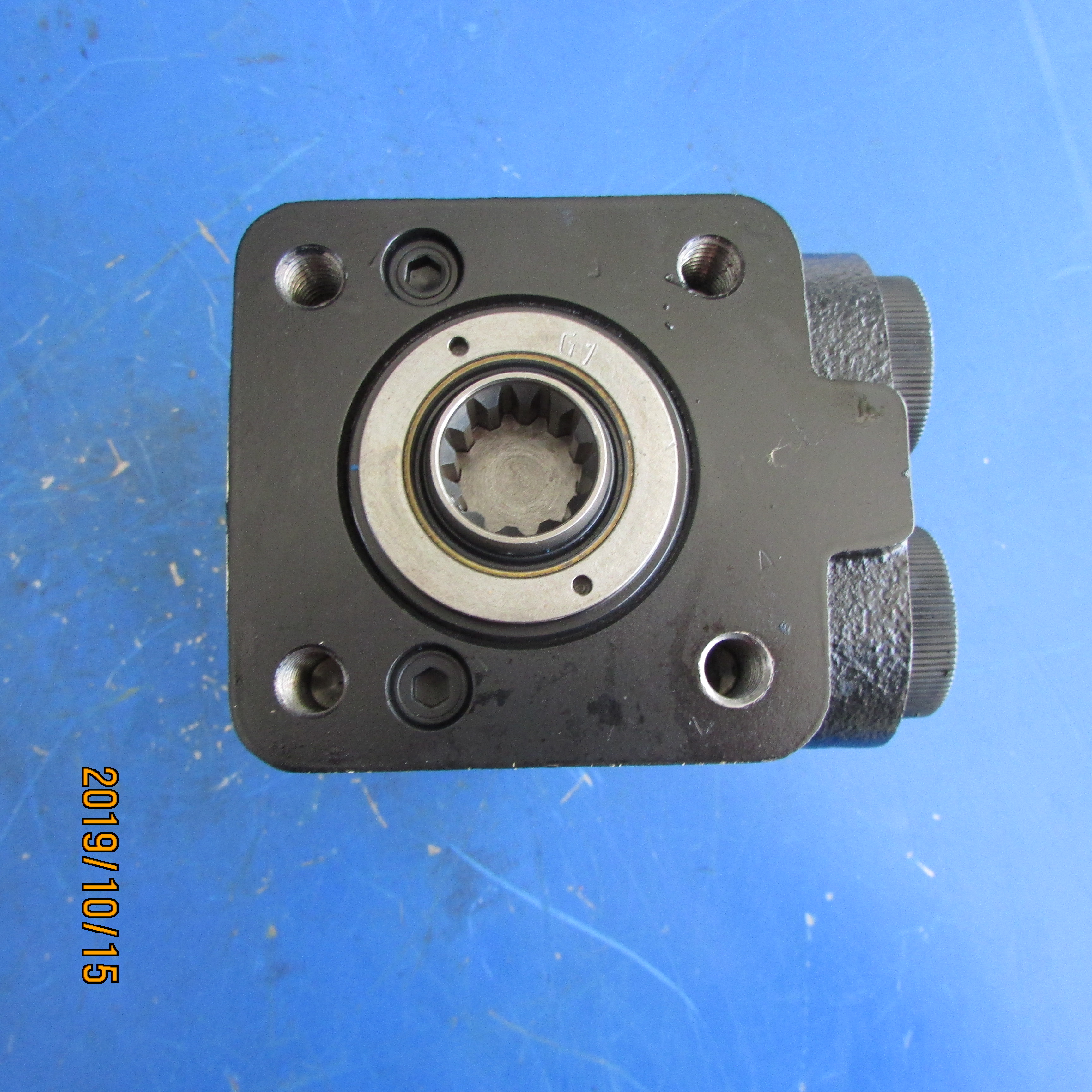
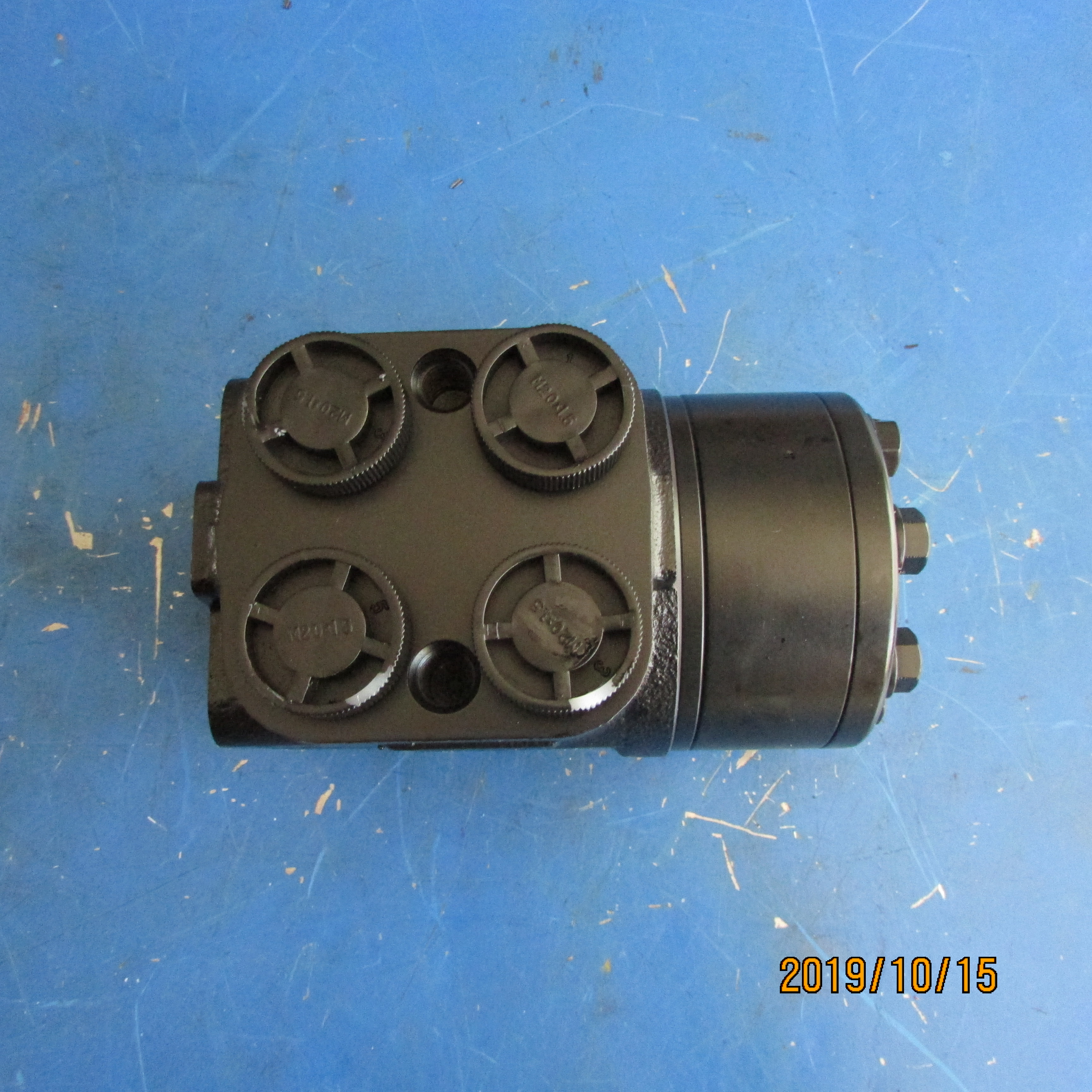
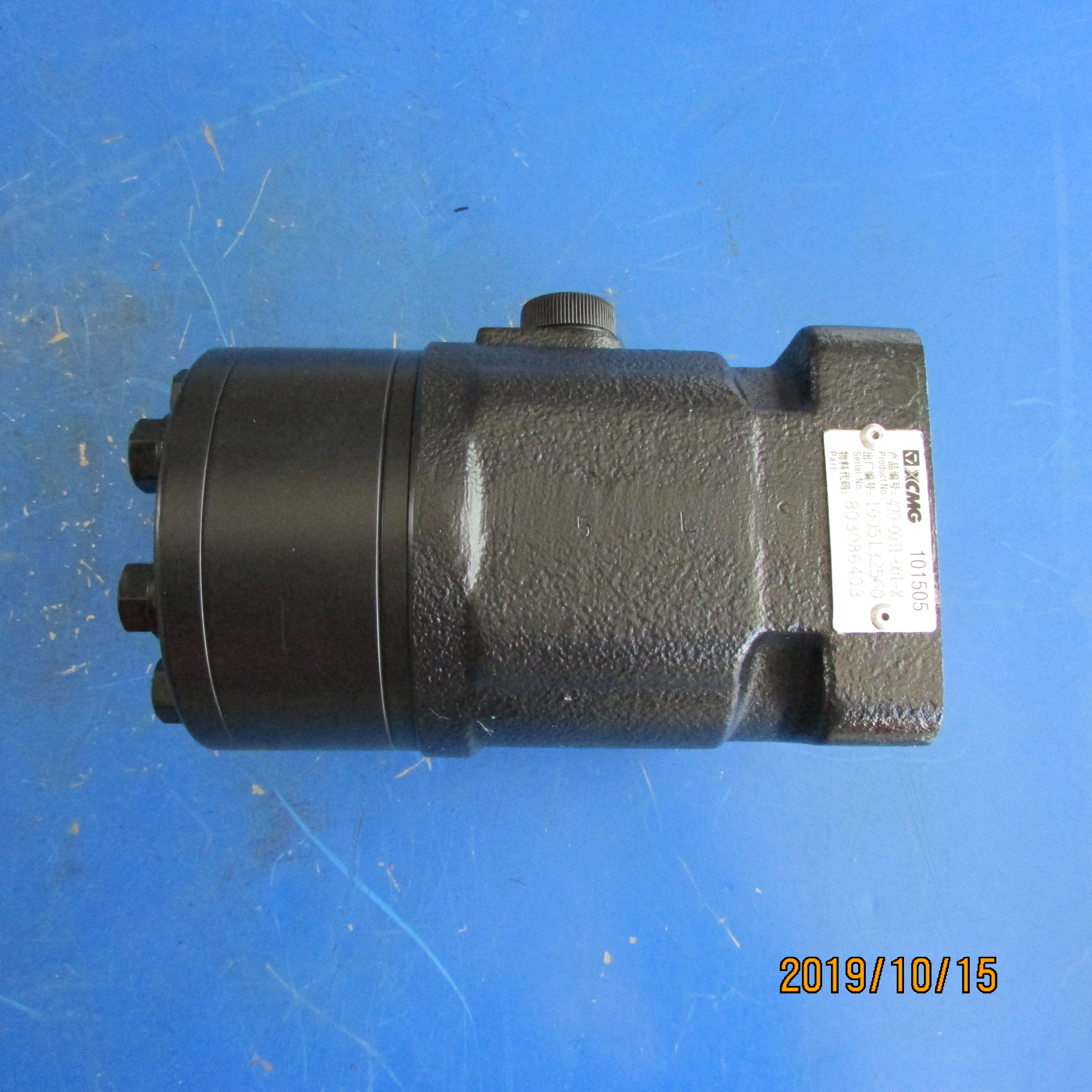
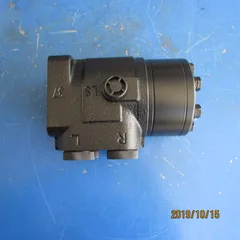
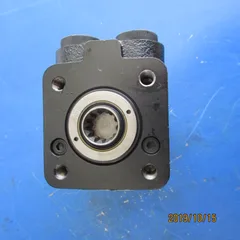
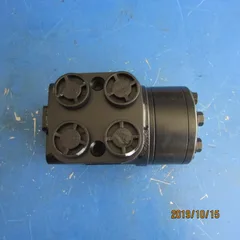
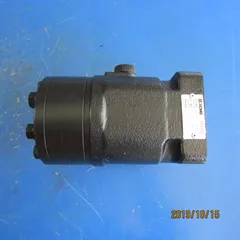
A hydrostatic steering unit (also called orbitrol, steering valve, or steering control unit) is the core control element in a hydrostatic steering system. Mounted inside the cab and connected to the steering wheel, it receives the driver's steering-wheel torque input through a splined input shaft, proportionally distributing hydraulic oil flow to the steering cylinders to achieve machine steering . Compared with traditional mechanical steering, hydrostatic steering offers advantages of light steering effort, flexible control, and stepless steering capability, making it widely used across loaders, excavators, rollers, motor graders, forklifts, and various other heavy machines .
The Xcel80 series steering unit launched by Danfoss is an important product in the brand's steering unit family. The main technical features of its 210-bar version include :
High pressure rating: Maximum inlet pressure raised to 210 bar, improving steering system working pressure to effectively reduce cylinder volume, lower machine weight, achieve efficient operation, and reduce energy consumption;
Optimized valve body structure: An integrated valve body design eliminates the leakage risk from traditional inter-block connections between the steering unit and valve stack; an integrated inlet check valve improves steering comfort;
High-performance shaft seal: Uses wear-resistant, contamination-resistant shaft seal material with a unique sealing lubrication groove design that maintains low friction coefficient and low steering torque while improving pressure resistance;
Optimized spool-and-sleeve design: An optimized flow amplification curve meets variable effective displacement output under different working conditions, enhancing steering stability and response sensitivity;
Strong system compatibility: Supports static and dynamic load-sensing systems, can be paired with Danfoss VLC/VLE/VLH/OLS series priority valves; external connections remain consistent with existing products for good interchangeability.
A hydrostatic steering unit (also called orbitrol, steering valve, or steering control unit) is the core control element in a hydrostatic steering system. Mounted inside the cab and connected to the steering wheel, it receives the driver's steering-wheel torque input through a splined input shaft, proportionally distributing hydraulic oil flow to the steering cylinders to achieve machine steering . Compared with traditional mechanical steering, hydrostatic steering offers advantages of light steering effort, flexible control, and stepless steering capability, making it widely used across loaders, excavators, rollers, motor graders, forklifts, and various other heavy machines .
The Xcel80 series steering unit launched by Danfoss is an important product in the brand's steering unit family. The main technical features of its 210-bar version include :
High pressure rating: Maximum inlet pressure raised to 210 bar, improving steering system working pressure to effectively reduce cylinder volume, lower machine weight, achieve efficient operation, and reduce energy consumption;
Optimized valve body structure: An integrated valve body design eliminates the leakage risk from traditional inter-block connections between the steering unit and valve stack; an integrated inlet check valve improves steering comfort;
High-performance shaft seal: Uses wear-resistant, contamination-resistant shaft seal material with a unique sealing lubrication groove design that maintains low friction coefficient and low steering torque while improving pressure resistance;
Optimized spool-and-sleeve design: An optimized flow amplification curve meets variable effective displacement output under different working conditions, enhancing steering stability and response sensitivity;
Strong system compatibility: Supports static and dynamic load-sensing systems, can be paired with Danfoss VLC/VLE/VLH/OLS series priority valves; external connections remain consistent with existing products for good interchangeability.