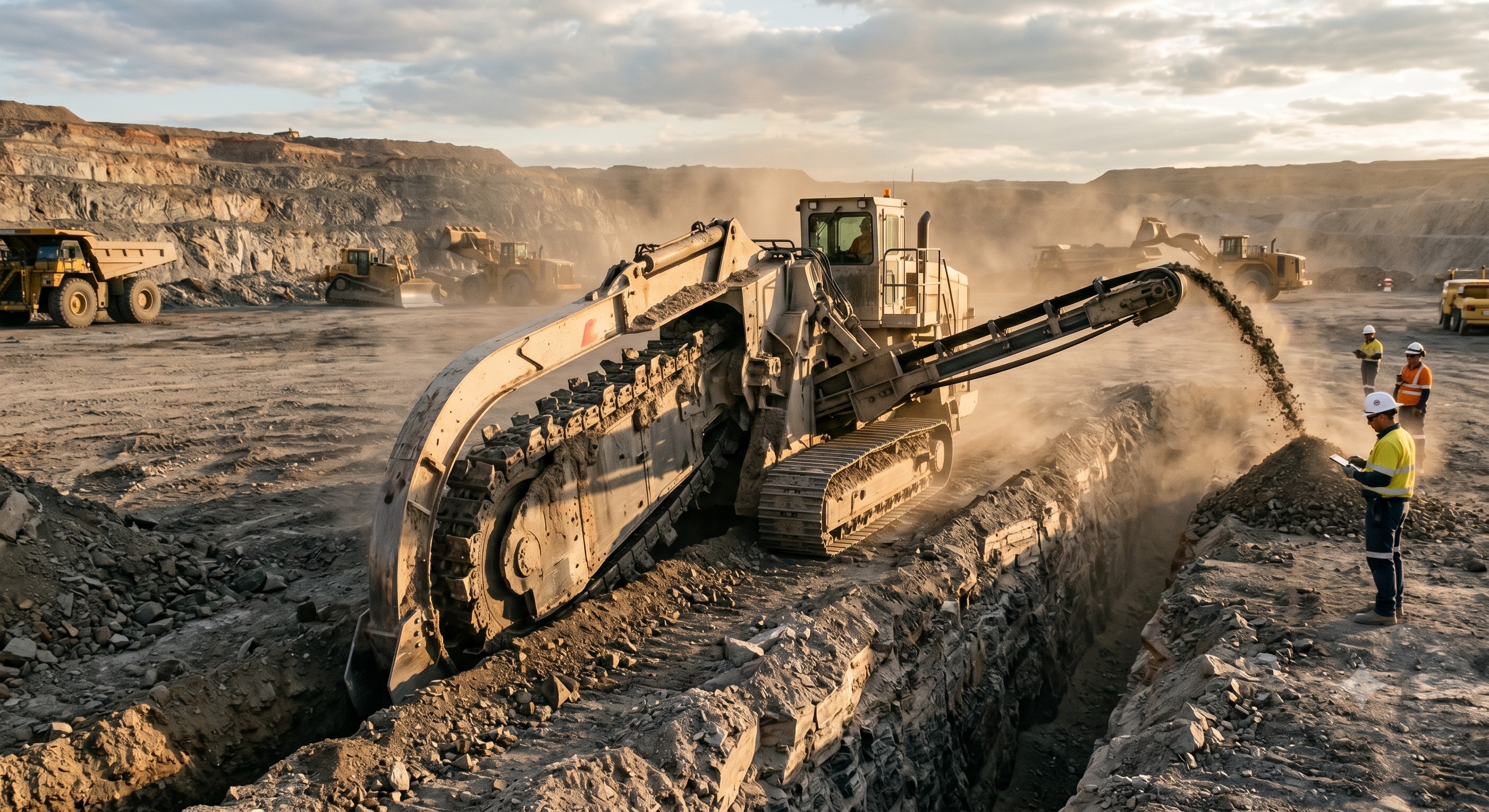
Delayed underground utility installation and rocky terrain excavation remain critical cost drivers, often inflating project timelines by 18% or more in large-scale civil works. Standard excavators and backhoes struggle with continuous hardpan or frozen ground, leading to excessive fuel consumption (up to 12–15 gal/hr for a 30-ton excavator bucket trenching) and high tooth wear. The specialized trenching excavating machine (chain or wheel trencher) solves these pain points with continuous cutting action and direct material discharge. This heavy-duty earthmoving solution is engineered for sustained operation in pipeline projects, mining overburden, and deep drainage works, complying with ISO 6165:2022 classifications and EPA Tier 4 / EU Stage V emissions.

Unlike intermittent bucket excavators, a true trenching excavating machine integrates a dedicated powertrain that optimizes torque at the cutting face. Our focus is on three durability pillars:
We deploy diesel engines rated from 200 hp (150 kW) to 700 hp (522 kW) at 2100 rpm, delivering peak torque at 1400–1600 rpm for rocky conditions. All units feature dual-circuit radiators with automatic reversing fans (SAE J1003 standard) to prevent debris clogging. Typical fuel consumption ranges from 5.5 gal/hr (21 L/hr) for a 250 hp unit in sandy loam to 18 gal/hr (68 L/hr) for a 600 hp rock trencher.
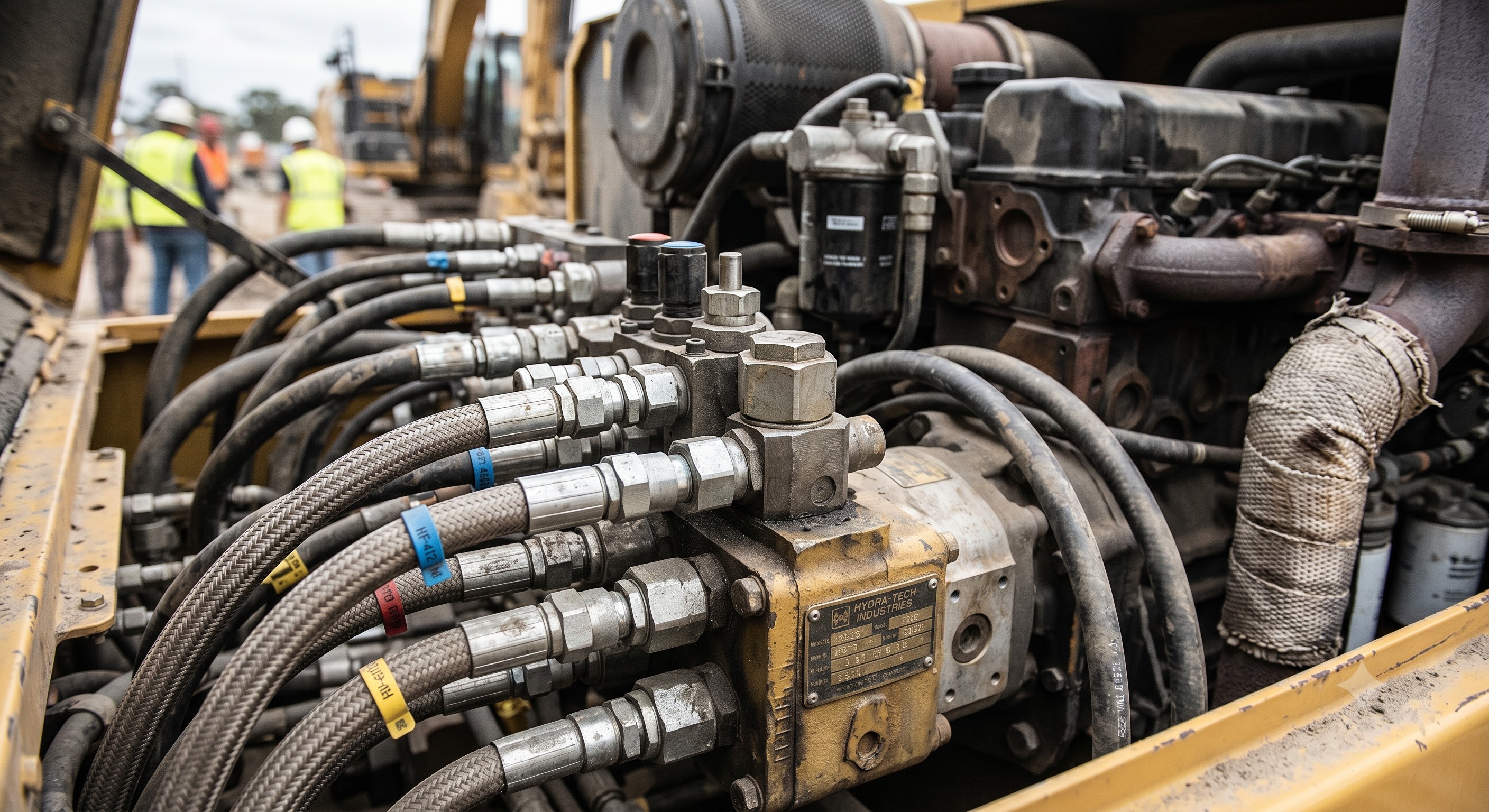
The open-loop, load-sensing hydraulic architecture operates at 4500–5200 psi (310–358 bar) with variable displacement axial piston pumps. System flow reaches 120 gpm (454 L/min) for boom, crowd, and conveyor functions. This allows the trenching excavating machine to maintain 0–110 ft/min (0–33 m/min) chain speed while automatically adjusting torque – reducing chain snaps by 40% compared to fixed-displacement systems. ISO 10767-1 efficiency testing confirms ≥88% hydraulic efficiency at full load.
Heavy-duty bogie-type undercarriages (D8 to D11 equivalent) distribute operating weight up to 70 metric tons. Track shoe widths (24–36 in / 610–914 mm) maintain ground pressure below 12 psi (82 kPa) for soft terrain. The mainframe is fabricated from 0.75 in (19 mm) Hardox 450 steel with full ROPS/FOPS certified cabins (ISO 3449 Level II). Critical wear components use carbide-tipped teeth with 12–18 hour replacement intervals depending on abrasiveness.
The table below lists validated parameters for a typical 300 hp class trenching excavating machine configured for medium-duty rock trenching (3–5 ft deep). Values may vary based on ISO 7135 test conditions.
| Key Parameter | Technical Specification |
|---|---|
| Engine Horsepower (Net @ 2100 rpm) | 328 hp (245 kW) - Cummins QSL9 / EPA Tier 4f |
| Operating Weight (with standard boom) | 42,500 lb (19.3 metric tons) |
| Maximum Trench Depth | 72 in (1829 mm) |
| Trench Width Range | 12 - 36 in (305 - 914 mm) via chain attachments |
| Hydraulic System Pressure | 5000 psi (345 bar) - Load Sensing |
| Chain Digging Speed | 0 - 180 ft/min (0 - 55 m/min) variable |
| Fuel Tank Capacity | 185 gal (700 L) |
| Ground Pressure (28 in shoes) | 9.8 psi (67.6 kPa) |
| Conveyor Discharge Height | 72 in (1829 mm) adjustable |
| ISO/CE Certification | ISO 6165:2022, CE A, ROPS/FOPS (ISO 3449) |
A direct 36-month Total Cost of Ownership (TCO) comparison against a 35-metric ton standard excavator with a trenching bucket reveals significant advantages for the trenching excavating machine on long linear excavations (over 8000 ft / 2400 m).
Industrial users select this machine class for three primary scenarios where productivity equals profit:

Cross-country oil/gas pipelines (24–48 inch diameter, 6–8 ft depth) demand continuous trenching across varied strata. The trenching excavating machine with dual conveyors sidecasts spoil up to 12 ft away, allowing pipelayers to work immediately behind. Projects like the 800-mile Keystone XL-type terrain require 98% trenching availability with scheduled carbide tooth changes every 2 hours of rock cutting.
In surface coal or phosphate mines, wheel trenchers cut 12–15 ft deep benches for drainage/ventilation trenches. Operating weight above 65 tons with 1000+ hp engines deliver 2,000 tph excavation rates at 0.15 USD per bank cubic meter – 60% less than drill-and-blast methods for friable overburden.
Agricultural land reclamation (e.g., 10,000+ acre irrigation schemes) uses self-propelled chain trenchers to cut 4–6 ft deep collector drains. GPS grade control (accuracy ±0.5 in) integrates with factory telematics, reducing rework by 22% and meeting NRCS standards.
Municipal sewer interceptor projects in igneous or metamorphic rock (UCS up to 25,000 psi) require heavy-duty rock wheels with 550+ hp and 8,500 ft-lb cutting torque. Production rates of 20–40 ft/hr with Kennametal teeth are achievable, supported by automatic lubrication systems and real-time vibration monitoring per ISO 20816.
Modern trenching excavating machine technology has shifted from simple utility trenchers to integrated heavy-duty earthmoving systems that deliver measurable ROI through continuous high-torque cutting, reduced fuel burn per cubic meter, and extended wear life. For contractors managing linear excavation longer than 2 km or rock trenches deeper than 1.5 meters, the upgrade from a backhoe or excavator to a purpose-built chain or wheel trencher typically pays back within the first 1,500 hours of operation. As emission regulations tighten (EPA Tier 5 expected 2027), these machines will further integrate hybrid power trains and AI-assisted cutting optimization, cementing their role as indispensable assets in industrial construction and mining.