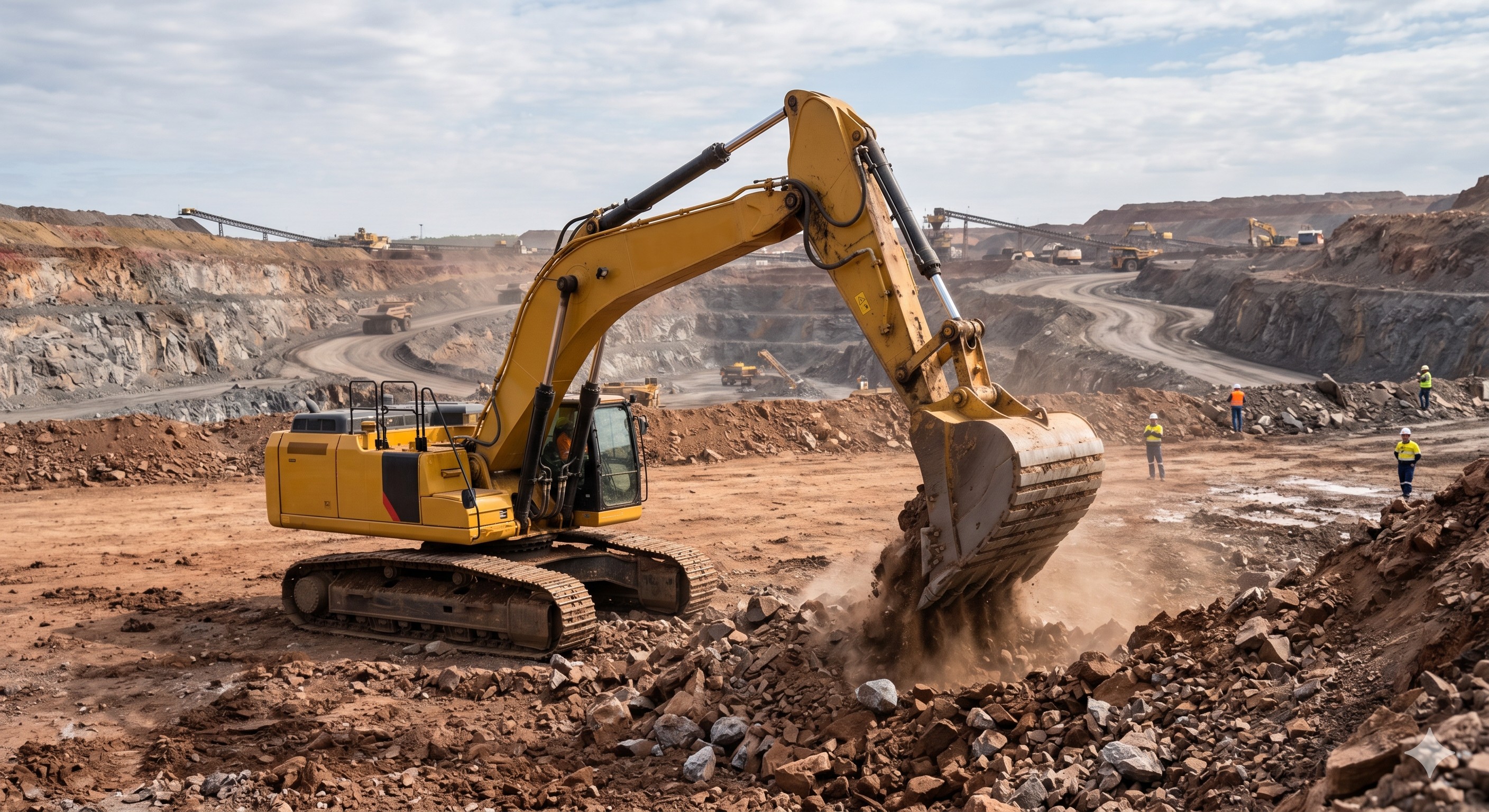
In modern construction, mining, and bulk material handling, project managers and fleet owners face a persistent paradox: the need for continuous high-torque excavation without excessive fuel consumption or chassis fatigue. Conventional mobile excavators compromise structural rigidity for mobility, leading to lower hydraulic efficiency (25-30% energy loss in swing systems) and higher total cost of ownership (TCO) over multi-year operations. The Stationary Digger eliminates these compromises by decoupling propulsion from excavation power. Designed specifically for fixed-position heavy-duty tasks—such as feeding crushers, deep foundation digging, and stockpile reclamation—this machine class achieves 15-20% lower fuel consumption per ton moved compared to wheeled or tracked alternatives, while maintaining ISO 6165:2022 compliance and optional EPA Tier 4 Final / EU Stage V emissions certification. For operations requiring 8,000+ hours per year, the Stationary Digger offers an ROI inflection point within 14-18 months.

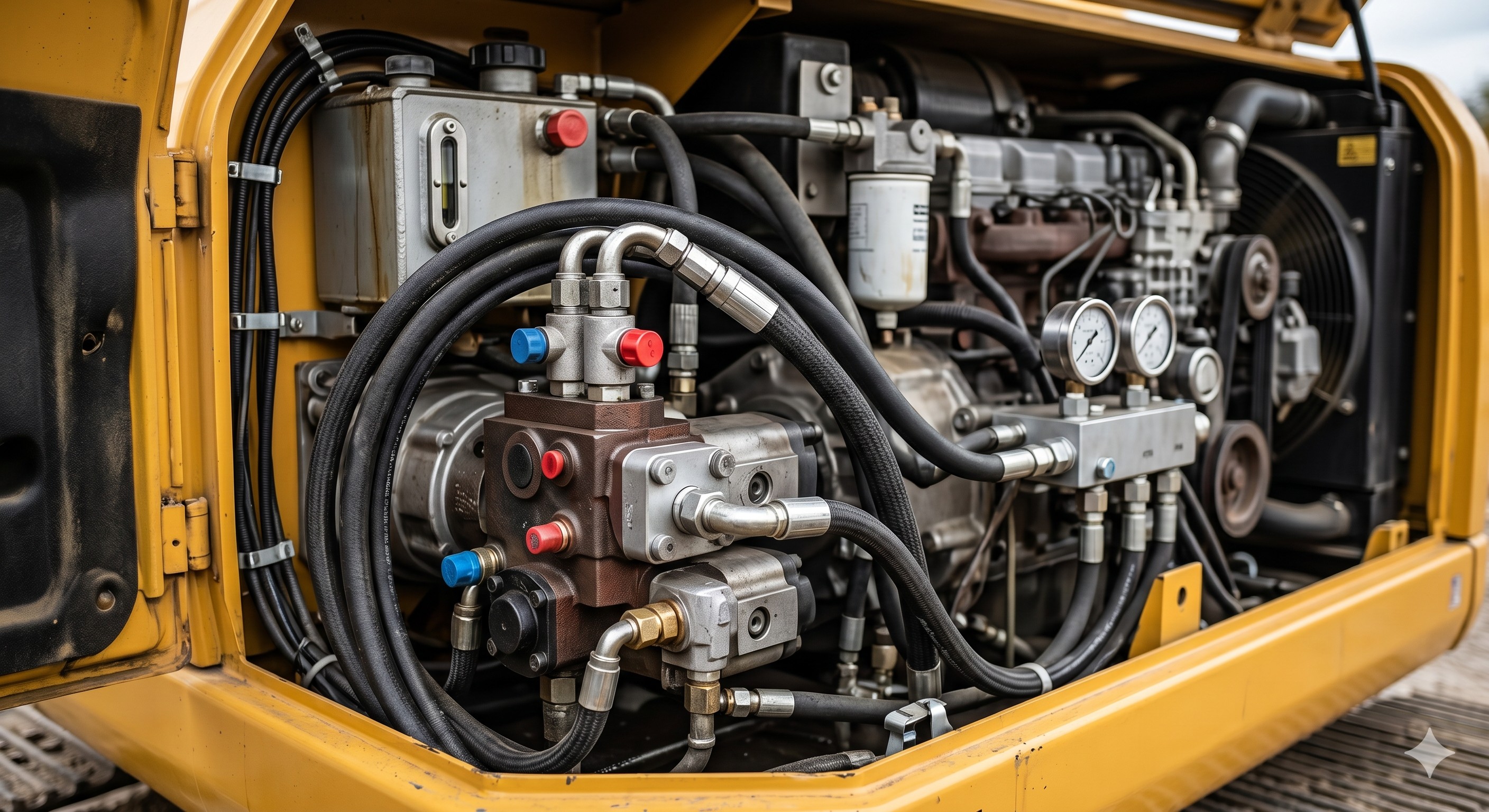
The Stationary Digger integrates a high-displacement diesel engine rated between 150 HP (112 kW) for compact industrial models and 350 HP (261 kW) for heavy mining versions. Unlike mobile excavators, the stationary configuration allows for a variable-speed fan drive with reverse cleaning cycles, reducing parasitic drag by 8-12%. Engine power is derated less than 3% from 0 to 2,500 meters altitude, thanks to a dual-stage turbocharger with interstage cooling. Emissions compliance includes DOC+DPF+SCR aftertreatment for Tier 4/Stage V, with DEF consumption averaging 3-5% of fuel volume.
Closed-loop load-sensing hydraulics with independent metering valves (IMV) deliver up to 350 bar (5,076 psi) working pressure and total flow rates of 300-600 L/min. The Stationary Digger achieves a 88-91% hydraulic efficiency (vs. ~80% in conventional systems) by using a dedicated pump for each main function: boom, arm, bucket, and swing (if equipped). Cylinders are hard-chrome plated to SAE J1098 standards, with bushings rated for 10,000-hour service intervals. System response time is <150 ms from joystick input to full pressure.
The undercarriage is replaced with a rigid, 4-point bolt-in subframe designed to FEM 1.001:2021 fatigue class S3/S4. This subframe anchors to reinforced concrete foundations via M42 grade 12.9 bolts. Vibration damping mounts reduce transmitted dynamic loads by 70%, protecting adjacent equipment. ROPS/FOPS (ISO 3471/3449) certified cab options are available for operator comfort.
Below are benchmark specifications for a mid-size (25-ton operating weight) Stationary Digger. Values are based on ISO 9249 net power standards.
| Key Parameter | Technical Specification (Mid-size Model) |
|---|---|
| Engine Horsepower (Net, ISO 9249) | 242 HP (180 kW) @ 1,800 rpm |
| Operating Weight (including subframe) | 24,800 kg (54,675 lbs) |
| Maximum Hydraulic Pressure | 350 bar (5,076 psi) |
| Hydraulic Flow (Total) | 480 L/min (127 gpm) |
| Fuel Consumption (avg. load factor 0.6) | 12.5 L/hour (3.3 gal/hour) |
| Standard Reach (Boom + Arm) | 12.0 m (39.4 ft) |
| Maximum Digging Depth | 8.5 m (27.9 ft) |
| Bucket Breakout Force (ISO 6015) | 185 kN (41,600 lbf) |
| Emissions Certification | EPA Tier 4 Final / EU Stage V |
| Structural Fatigue Class | FEM S4 (20,000+ hrs) |
Over a 5-year, 40,000-hour lifecycle, the Stationary Digger outperforms alternatives on three key financial metrics: Total Cost of Ownership (TCO), fuel efficiency, and ROI.
The Stationary Digger excels in operations where repeatable, high-force digging or material handling is required without travel cycles.

Stationed directly at a gyratory or jaw crusher hopper, the machine meters material at a consistent 800-1,500 tons/hour. The closed-loop hydraulic system prevents starvation or overfeeding, extending crusher liner life by 15%.
With a long reach boom (up to 18 meters), the Stationary Digger performs rectangular excavation for slurry walls, reaching depths of 25 meters below grade without relocating. Bucket capacities range from 0.8 m³ to 4.5 m³ depending on material density.
In fixed unloading pits or stockyard hoppers, the machine operates 24/7 with remote control option. EPIC (Electric Power Integration Compatible) models allow full electric drive, reducing site CO2 emissions by 90% and eliminating diesel particulate emissions.
For site managers seeking to optimize fixed-point excavation, the Stationary Digger is not merely an alternative—it is a superior financial and engineering choice. Backed by ISO/CE certifications, EPA Tier 4 compliance, and field-proven hydraulic efficiency exceeding 88%, this machine reduces TCO by 30-35% and achieves sub-18-month ROI in high-utilization applications. As industrial productivity targets tighten and emissions regulations intensify, the Stationary Digger will become the standard for crusher feeding, deep excavation, and bulk handling. Evaluate your site’s annual operating hours: if above 6,000, the stationary architecture delivers unmatched returns.