Categories

Quarry Excavating Machine Maintenance & Procurement FAQ

Expert answers to common maintenance, specs, and operational questions regarding the Quarry Excavating Machine.
Jun 1st,2026 8 Views

Overview

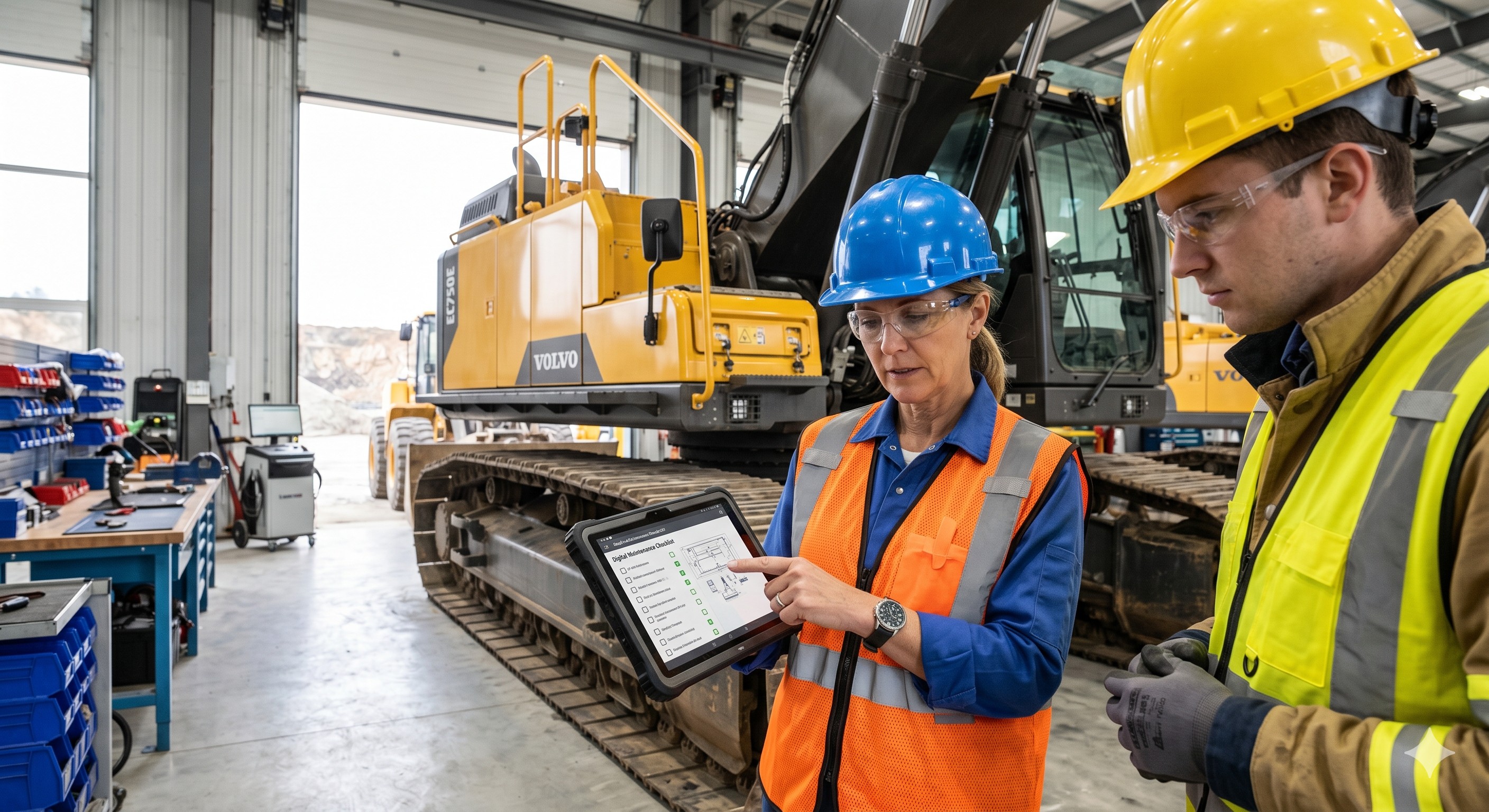
A quarry excavating machine is a heavy-duty hydraulic excavator designed for high-abrasion environments like limestone, granite, and aggregate mines. This FAQ addresses the most critical pre-sales and post-sales questions from B2B procurement and fleet managers, focusing on payload limits, emissions compliance, attachment systems, and scheduled maintenance to maximize ROI and uptime.

Frequently Asked Questions

Q1: What is the standard operating payload of a quarry excavating machine?

The standard operating payload of a quarry excavating machine ranges from 20 metric tons to over 90 metric tons depending on the model and bucket configuration. For most quarry applications, a 50-ton class excavator (e.g., CAT 352 or Komatsu PC490) handles a standard bucket payload of 4.5 to 6.5 tons per cycle. Always verify the machine's lift capacity chart at full reach and height, as quarry benches require consistent over-the-side loading into rigid dump trucks.

Q3: What are the engine emission standards for quarry excavators in 2026?

Quarry excavating machines sold in regulated markets must meet Tier 4 Final (US/Canada) or Stage V (EU) emission standards. These engines reduce particulate matter by over 90% compared to Tier 3 using DPF and SCR systems. For quarries with limited technology support, select models offer Tier 3 equivalents for certain regions. Verify that your site's diesel quality and operating altitude match the emission system's requirements to avoid regeneration errors.

Q3: Which attachment interfaces are compatible with standard quarry excavators?

Most quarry excavating machines support a universal quick-coupler system compliant with ISO 13031 or OEM-specific pin grabber designs. Standard attachments include: - Heavy-duty rock buckets with wear plating - Hydraulic hammers (4,000 to 10,000 ft-lb impact class) - Rippers for hard limestone and granite - Demolition shears and concrete processors Always confirm auxiliary hydraulic flow (GPM) and pressure (PSI) match the attachment's requirements. Quarry applications often need high-flow circuits (100+ GPM) for large hammers.

Q4: How often should hydraulic fluid be replaced in a quarry excavator?

The hydraulic fluid in a quarry excavator should be replaced every 2,000 to 4,000 operating hours, depending on oil analysis results and contamination levels. Quarry dust and high ambient temperatures accelerate degradation. Use a proactive sampling schedule: test at 500-hour intervals for viscosity, ISO cleanliness code (target 16/14/11 or better), and water content. If ISO code exceeds 18/16/13, perform a fluid and filter change immediately to protect pumps and motors.

Q5: What are the critical daily and weekly maintenance checks for quarry machines?

Critical daily (8-hour) checks for a quarry excavating machine include: track tension, undercarriage debris removal, coolant and engine oil levels, air filter restriction indicator, and visual inspection of hydraulic hoses for chafing. Weekly (40-50 hour) maintenance requires: - Greasing all swing bearing and bucket linkage fittings (20+ points) - Checking track drive oil levels - Inspecting bucket teeth and adapters for wear - Cleaning the radiator and oil cooler cores of stone dust Skipping weekly greasing in quarry conditions reduces bushing life by up to 60%.

Q6: Which spare parts experience the fastest wear in quarry excavators?

The fastest-wearing spare parts on a quarry excavating machine are bucket teeth and side cutters (200-400 hour life), track shoes and bushings (1,500-2,500 hours), and hydraulic cylinder rod seals (2,000 hours average). Other high-consumption items include: - Air filters (250 hours in dusty quarries) - Swing bearing grease seals (replaced every 4,000 hours) - Track rollers and idlers (3,000-5,000 hours) Stock these parts at 2:1 ratio compared to general construction sites to avoid unplanned downtime.

Q7: What is the expected fuel consumption of a quarry excavator per hour?

A quarry excavating machine in the 45-55 ton class consumes 22 to 32 liters of diesel per hour (5.8 to 8.5 gallons per hour) under normal quarry loading cycles. Factors increasing consumption include deep bench excavation (over 5 meters), using a hydraulic hammer, and hard rock (unconfined compressive strength over 100 MPa). Use fuel consumption telematics to detect excessive idle time (target under 15% of engine hours) and schedule high-production shifts during cooler ambient temperatures.

Q8: How long does a quarry excavator typically last before major overhaul?

A well-maintained quarry excavating machine operates 12,000 to 18,000 hours before requiring a major overhaul (engine, hydraulic pumps, swing bearing, and track frames). Quarries are considered severe service; thus, the overhaul interval is roughly 25% shorter than general earthmoving. At 8,000-10,000 hours, expect to rebuild the undercarriage and replace all hydraulic hoses. With proactive oil analysis and regular wear part replacement, many quarry excavators reach 25,000 hours with one mid-life rebuild.

RFQ