In modern earthmoving and mining operations, equipment downtime and fuel waste remain the top two operational cost drivers, often accounting for 30-45% of total project budget overruns. The mobile digger (hydraulic excavator class 20-45 metric tons) has evolved from a simple digging tool into a highly engineered mechatronic system balancing engine horsepower, hydraulic flow efficiency, and structural durability. This blog provides an authoritative engineering breakdown of mobile digger powertrain architecture, ISO/CE-compliant safety features, and a data-backed Total Cost of Ownership (TCO) model to help fleet managers optimize capital expenditure.

The modern mobile digger integrates three critical subsystems: the prime mover, the hydraulic network, and the undercarriage. Each directly impacts productivity metrics like cycle time and fuel-specific excavation rate (m³ per liter).
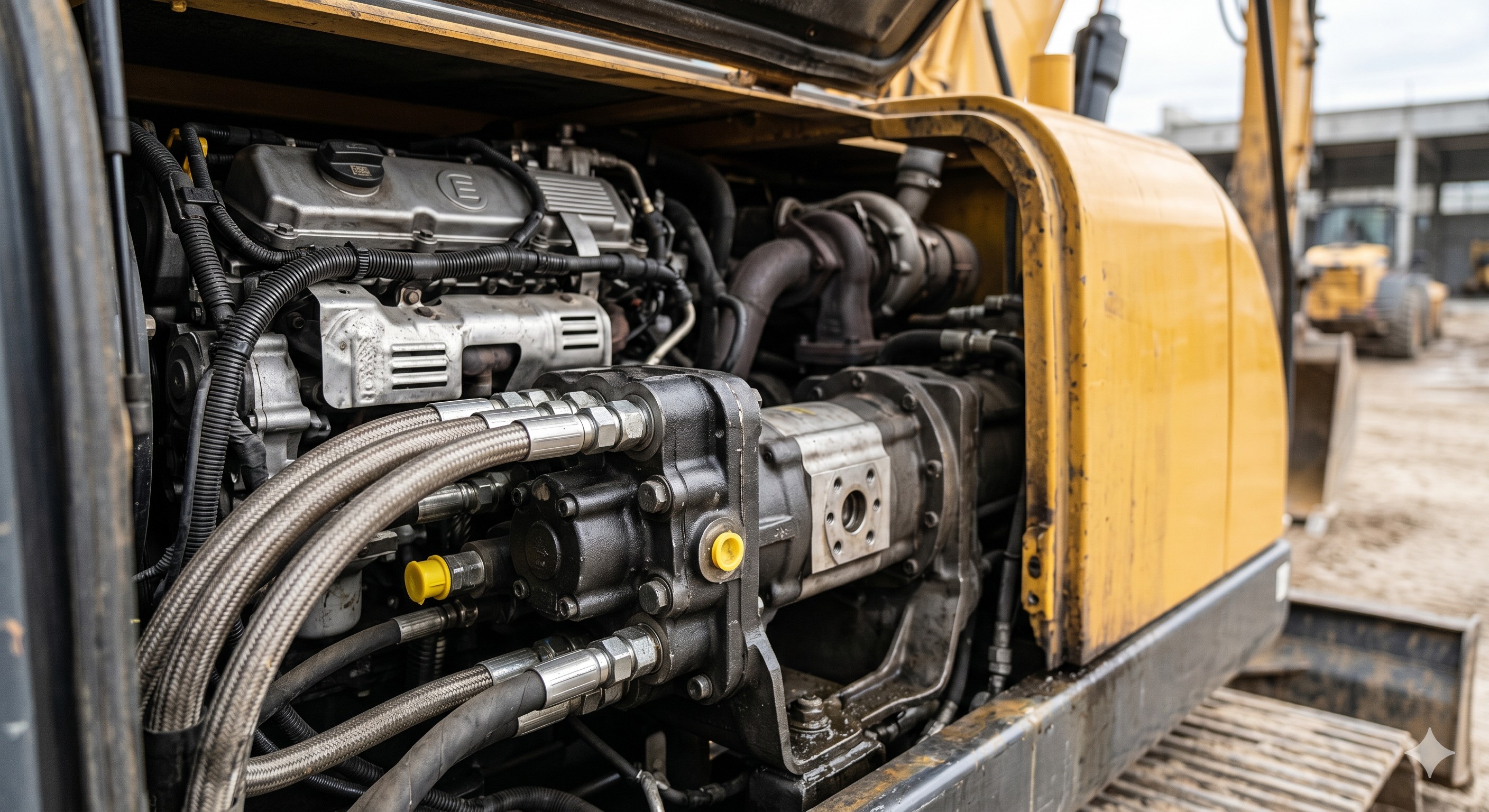
Most 20-30t mobile diggers utilize turbocharged diesel engines producing 150-250 kW (201-335 HP) at 1,800-2,100 RPM. To meet EPA Tier 4 Final and EU Stage V norms, manufacturers employ cooled exhaust gas recirculation (EGR) paired with diesel particulate filters (DPF) and selective catalytic reduction (SCR). Typical fuel consumption ranges from 18-28 L/h under heavy digging cycles. Closed-loop electronic engine management maintains torque rise above 35% for stall-free hydraulic loading.
Variable-displacement axial piston pumps (usually two main pumps plus one pilot pump) generate system pressures up to 34.3 MPa (5,000 psi). The hydraulic flow rate at rated engine speed falls between 250-400 L/min. Advanced load-sensing and negative flow control reduce parasitic losses by 12-18% compared to open-center systems. Boom and arm cylinders incorporate integral holding valves and shock-absorbing cushions to comply with ISO 8643 for excavator arm lowering control.
The undercarriage uses high-tensile steel track frames (yield strength ≥ 500 MPa) with bolt-on modular components. Track shoe widths range from 500 to 800 mm, delivering ground pressure 35-70 kPa for soft terrain stability. The upper structure integrates a ROPS (Roll-Over Protective Structure) and FOPS (Falling Object Protective Structure) cabin certified to ISO 3471 and ISO 3449 Level II. Swing bearing static capacity exceeds 2,000 kN·m for heavy attachment work.
Below are representative specifications for a 25-ton class mobile digger optimized for earthmoving and light mining operations.
| Key Parameter | Technical Specification (25-ton class) |
|---|---|
| Engine Horsepower (Net) | 180 kW (241 HP) @ 1,900 rpm |
| Operating Weight (with standard bucket) | 24,800 kg (54,675 lb) |
| Hydraulic System Pressure | 34.3 MPa (5,000 psi) |
| Max. Digging Force (Bucket) | 175 kN (39,340 lbf) |
| Max. Digging Force (Arm) | 125 kN (28,100 lbf) |
| Fuel Consumption (Heavy cycle) | 22-26 L/h (5.8-6.9 gal/h) |
| Swing Torque | 65 kN·m (47,940 lbf·ft) |
| Emissions Standard | EPA Tier 4 Final / EU Stage V |
| ROPS/FOPS Certification | ISO 3471 / ISO 3449 Level II |
| Ground Pressure (600mm shoes) | 48 kPa (6.96 psi) |
A 5-year TCO analysis shows that the mobile digger reduces per-hour ownership costs by 22-28% compared to older wheeled loaders or backhoes for bulk excavation. Key drivers:
Operators also benefit from reduced noise levels (≤ 74 dB(A) at operator ear) and ISO 6392-compliant ergonomic controls, lowering fatigue-related errors.

Mobile diggers equipped with long-front arms (6.5-8.5 m reach) and hydraulic quick couplers handle basement excavation and utility trenching. GPS-guided 3D machine control systems achieve grade tolerances within ±20 mm.
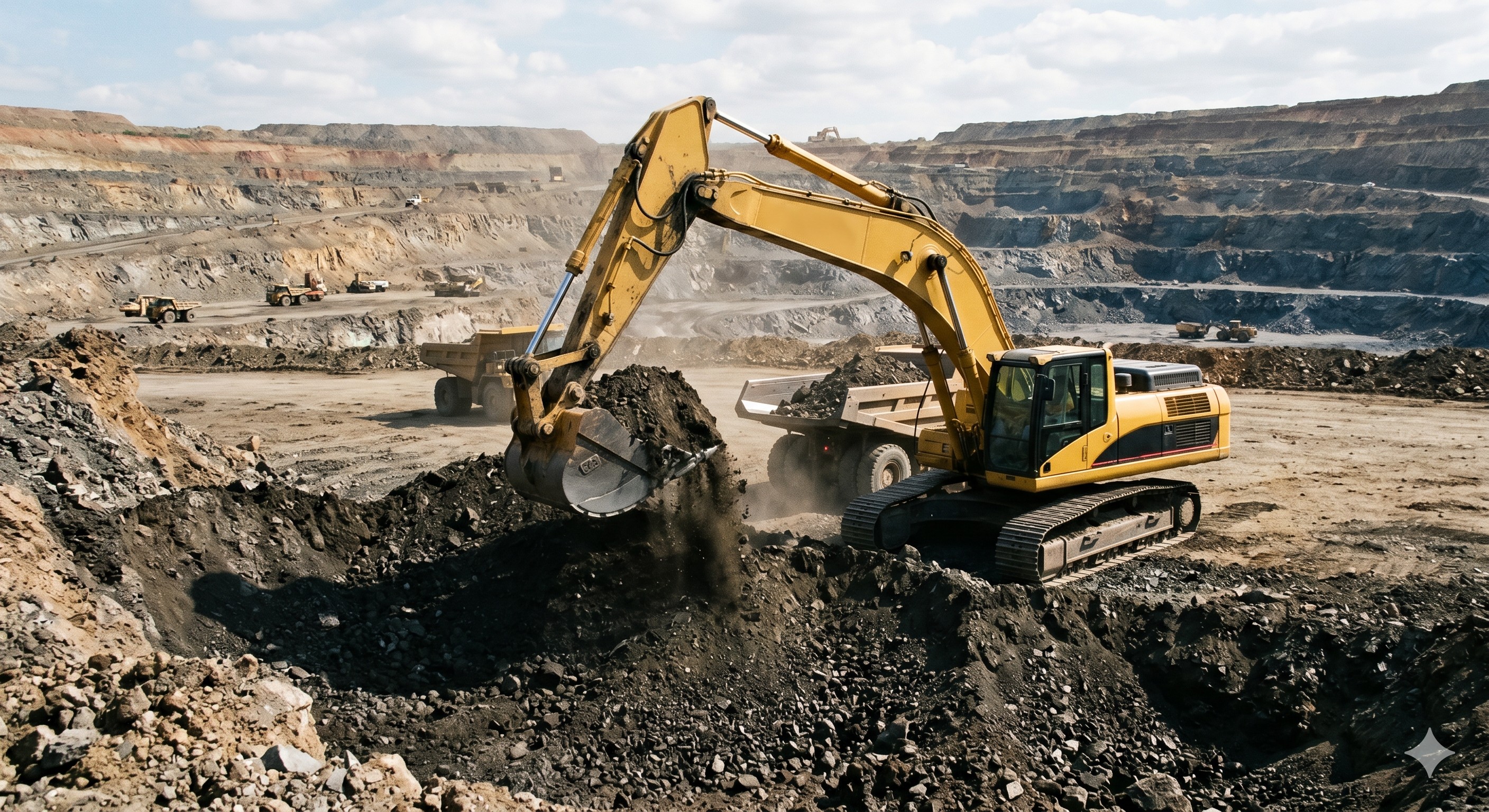
For shot rock loading, high-rail undercarriages and heavy-duty buckets (wear plates AR400 steel) combined with automatic boom oiling systems extend liner life. Digging forces above 180 kN enable direct loading of 30-40 ton rigid dump trucks.
Slope-finishing buckets and tiltrotator attachments transform the mobile digger into a grading tool, replacing motor graders for small to medium pads. Fuel-efficient Eco-modes reduce consumption by 20% during light to moderate digging.
High-altitude demolition variants (up to 20 m reach) with reinforced booms and anti-overload systems (compliant with EN 474-1) safely dismantle steel structures and concrete buildings.
The evolution of the mobile digger from a brute-force machine to a sensor-rich, data-connected asset is reshaping construction and mining economics. By prioritizing engine-hydraulic matching, emissions compliance (EPA Tier 4 / Stage V), and structural integrity (ISO/ROPS/FOPS), fleet owners achieve lower cost per ton moved and faster project completion. Telematics platforms now deliver real-time fuel efficiency dashboards and predictive maintenance alerts, reducing unplanned downtime by up to 40%. Investing in a modern, well-specced mobile digger is not merely a capital purchase—it is a strategic lever for industrial productivity and sustainable operations.