For contracting firms, mine operators, and heavy civil construction companies, the acquisition of new mini excavator assets represents a significant capital expenditure that directly impacts project throughput and operating margins. The procurement process, however, is often complicated by dealer markups, opaque pricing structures, and a surplus of marketing claims that obscure critical engineering data. This guide addresses these industry pain points by presenting an engineer's perspective on the mini excavator direct purchase model. We dissect the machine's core powertrain architecture, hydraulic efficiency, structural durability, and compliance with global emission standards, equipping you with objective metrics for an informed capital investment decision.
The shift towards direct purchase empowers buyers to eliminate intermediary costs, allowing capital to be reallocated towards high-quality components and extended warranty packages. This guide focuses on machines within the 1.5 to 6.0 metric ton operating weight class, a segment critical for urban construction, landscaping, and light mining support operations. We focus on verifiable data: horsepower curves, hydraulic flow rates, hydraulic system pressure, fuel consumption profiles, and compliance with ISO 12100, ISO 3457, and emission regulations like EPA Tier 4 Final and EU Stage V.
This review provides a robust framework for evaluating direct-purchase offers, ensuring your investment yields a superior return on investment through enhanced reliability, fuel economy, and reduced downtime.

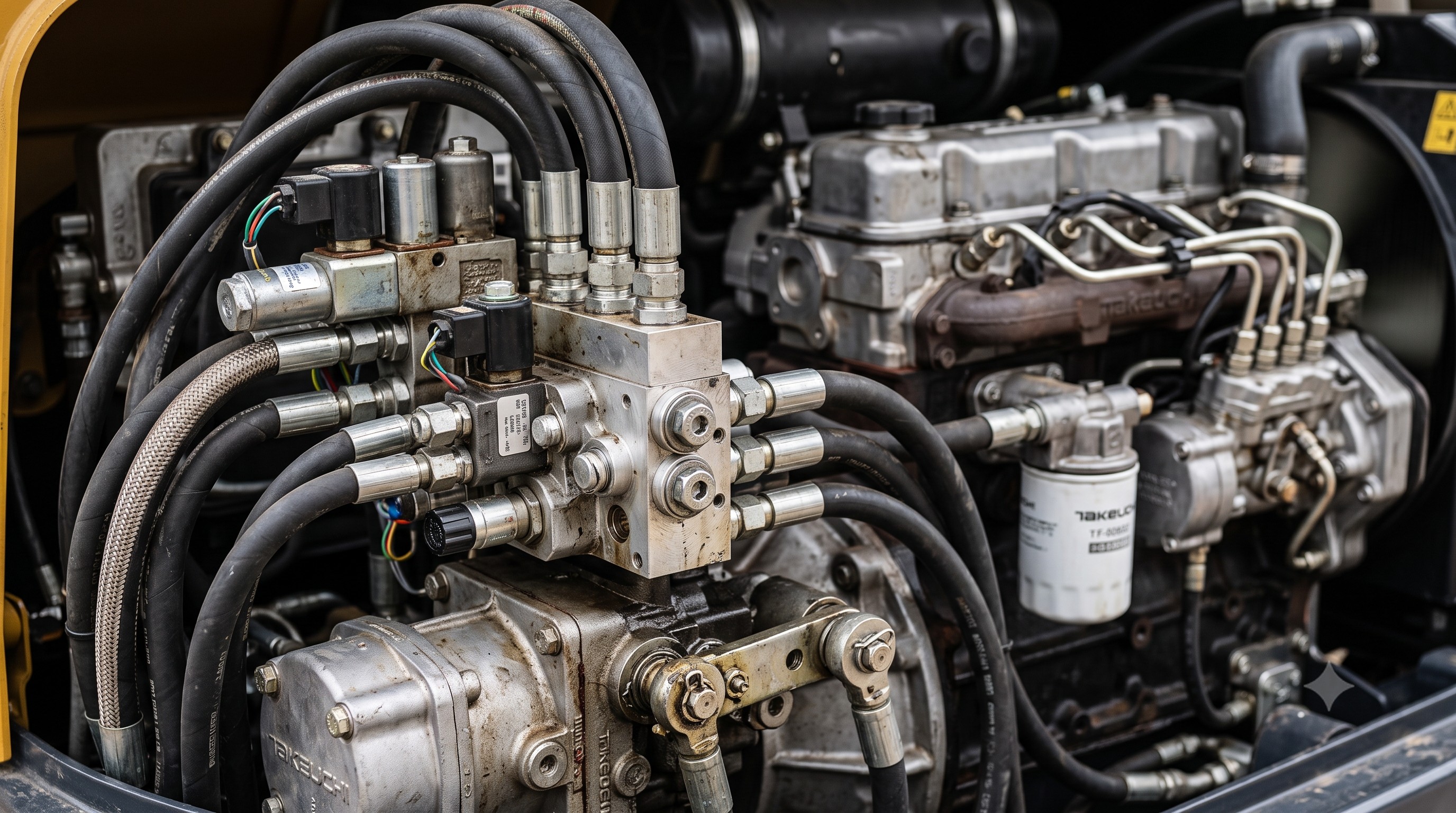
The engine is the heart of any mini excavator, directly dictating available horsepower (HP) and torque characteristics for demanding hydraulic applications. For heavy-duty direct-purchase units in 2026, the market standard is a liquid-cooled, four-cylinder, direct-injection diesel engine with a turbocharger and intercooler. A typical 5.0 metric ton class mini excavator delivers 47-55 kW (63-74 HP) at a rated speed of approximately 2,200 rpm. Critical to evaluating performance is the engine's torque rise; a 30-40% torque rise ensures the machine maintains hydraulic pump flow during sudden load increases, preventing engine stall during heavy digging cycles.
Emissions compliance is a non-negotiable criterion for global operations. Machines sold in North America must adhere to EPA Tier 4 Final standards, while European markets require EU Stage V compliance. This is typically achieved through a combination of Exhaust Gas Recirculation (EGR), a Diesel Oxidation Catalyst (DOC), and a Diesel Particulate Filter (DPF). Some high-efficiency units incorporate a Selective Catalytic Reduction (SCR) system with Diesel Exhaust Fluid (DEF) injection, optimizing both emissions and fuel efficiency. Direct-purchase considerations must include the maintenance schedule and regeneration strategy (active versus passive) of the aftertreatment system to minimize operational downtime. Engines meeting these standards, despite their complexity, offer a 5-12% improvement in fuel consumption compared to predecessor models, a factor directly reducing the total cost of ownership (TCO).
Productivity in a compact excavator is defined by its hydraulic system, specifically the flow rate (L/min or GPM) and maximum working pressure (bar or psi). The primary hydraulic pump is typically a variable-displacement, load-sensing, and pressure-compensated axial piston pump, supplying flow to the implement, travel, and swing circuits. For example, a robust 5-ton class machine provides a main implement flow of 110-150 L/min at a working pressure of 240-280 bar (3,480-4,060 psi). This high-pressure capacity translates to superior bucket breakout forces, allowing operators to penetrate hard-packed soils and fractured rock with high efficiency.
A key feature to examine in a direct-purchase unit is the advanced hydraulic management system. These modern architectures utilize electronic control to prioritize flow based on demand. Features like auto-idle and auto-shift travel speed control, along with boom/arm flow regeneration, not only boost productivity but also significantly reduce fuel consumption during partial load cycles. Ultimate hydraulic pressure relief settings protect the system from overload shocks, while secondary pilot filters ensure clean oil reaches the valve block, critical for the longevity of precision components. Evaluating the machine's hydraulic cooling capacity, often rated in kW, is crucial for preventing oil degradation in high-ambient temperature environments or during continuous heavy use.
The undercarriage of a mini excavator is subject to immense stress and abrasion. For a direct-purchase buyer, the structural design of the steel frame, specifically the X-frame or box-section design, is a critical indicator of longevity. The undercarriage should feature a robust sealed and lubricated track (triple-flange track rollers) with a track shoe width optimized for ground pressure distribution. Track shoe widths commonly range from 300 mm to 450 mm, with wider shoes providing lower ground pressure (e.g., < 30 kPa) for soft terrain stability, a vital specification for utility and landscaping applications.
Durability is defined by the materials used. High-tensile strength steel, such as ASTM A572 Grade 50 or equivalent, ensures the upper frame and boom arm withstand fatigue from heavy lifting and torsional stresses. The boom and arm are typically fabricated from thick, formed steel plates with heavy internal baffling to resist bending forces. The use of large diameter, high-strength pins with induction-hardened bushings in the working group (boom, arm, bucket linkage) reduces wear and extends joint life. Direct-purchase buyers should inspect the lower frame for an integrated blade cylinder guard and reinforced track frame, which offer exceptional durability against obstacles. Compliance with ROPS/FOPS (Rollover Protective Structure / Falling Object Protective Structure) standards as per ISO 3471 and ISO 3449 is mandatory to ensure operator safety in hazardous environments.
The following table consolidates the critical technical parameters for a premium class 5.0-5.5 metric ton mini excavator suitable for heavy direct-purchase. These values represent current industry benchmarks derived from leading manufacturers and independent engine tests. Use these as a rigorous baseline against which to evaluate vendor specifications.
| Key Parameter | Technical Specification |
|---|---|
| Engine Horsepower (Net) | 47-55 kW (63-74 HP) @ 2,200 rpm |
| Engine Displacement | 3.3 - 3.6 Liters |
| Emissions Compliance | EPA Tier 4 Final / EU Stage V (DOC + DPF + EGR) |
| Operating Weight | 5,000 - 5,500 kg (11,000 - 12,100 lb) |
| Main Hydraulic Flow | 120 L/min (31.7 GPM) |
| Hydraulic Working Pressure | 275 bar (3,988 psi) |
| Bucket Breakout Force | 32 - 38 kN (7,190 - 8,540 lbf) |
| Fuel Consumption (Heavy Cycle) | 10 - 12 L/hour |
| Undercarriage Track Width | 400 mm (15.7 inches) |
| Ground Pressure | 28 - 35 kPa (4.1 - 5.1 psi) |
| Max Travel Speed (High/Low) | 4.5 / 2.8 km/h (2.8 / 1.7 mph) |
The decision to pursue a mini excavator direct purchase is fundamentally a financial optimization strategy. By cutting out the dealership distribution channel, buyers can reduce the initial capital outlay by an average of 8-15%, a significant saving that can be directed towards additional attachments, extended warranty, or a comprehensive service kit. This direct financial advantage is the primary driver for this procurement model, but the real value emerges in the total cost of ownership (TCO) analysis.
TCO for a compact excavator involves the purchase price, fuel expenses, maintenance parts (filters, hydraulic oil, track pads), and major component overhaul costs. A modern Stage V / Tier 4 Final compliant machine, with its intelligent hydraulic system and optimized engine map, can achieve a fuel consumption rate of approximately 9-12 L/hour in heavy-duty mixed cycles, compared to older Tier 3 models which consumed 14-18 L/hour. Over a 5,000-hour operational life, this translates to a substantial savings in diesel costs, often exceeding the differential in initial purchase price. Furthermore, advanced telematics systems integrated into direct-purchase units provide real-time data on machine utilization, fuel burn, and maintenance alerts, enabling predictive maintenance that minimizes unscheduled downtime. This data-driven approach to fleet management contributes to a superior return on investment (ROI) by optimizing asset deployment and extending the machine's service life.
When evaluating direct-purchase offers, inspect the cost structure for genuine OEM parts. A reputable direct manufacturer will offer competitive pricing on parts and fluid kits, a crucial factor in maintaining the machine's warranty and operational integrity. The ability to obtain comprehensive technical support and remote diagnostics directly from the engineering team further enhances the value proposition, ensuring your heavy equipment remains productive and profitable.
In congested urban environments, the compact dimensions (e.g., width < 1.98 m) and zero-tail swing capabilities of the mini excavator are indispensable. These machines excel in excavating foundation trenches, utilities, and sewer lines with minimal disruption. The hydraulic system's precise proportional control allows for fine grading and precise placement of heavy materials in confined spaces, essential for infrastructure renovation and new building projects.
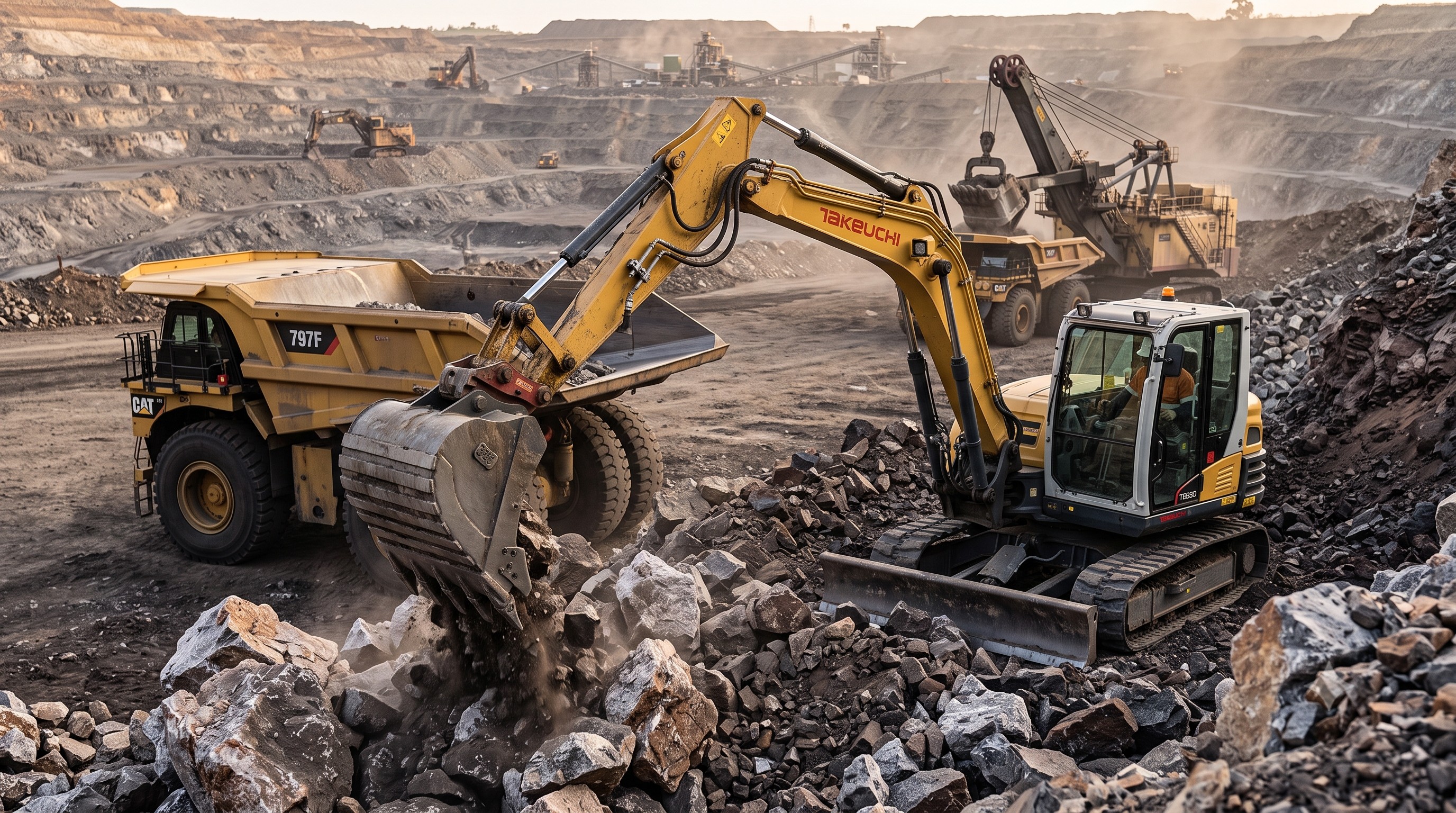
While not used for primary overburden removal, mini excavators are essential for secondary support roles in mining and quarrying. They are deployed for scaling loose rock from high walls, cleaning around crusher installations, and trenching for drainage and electrical conduits. In this heavy-duty scenario, the machine's robust undercarriage and high breakout force (often exceeding 35 kN) allow it to handle abrasive and high-density materials like iron ore and limestone, while FOPS protection safeguards the operator from falling debris.
For major earthmoving projects, mini excavators are highly effective for site preparation, backfilling, and landscape grading. Their ability to achieve high travel speeds (approximately 4-5 km/h) allows for efficient relocation around job sites. With a variety of buckets (heavy-duty rock buckets, tilt buckets, and grading buckets) and attachments such as hydraulic breakers and shears, the same machine can transition seamlessly between trenching, demolition, and material handling tasks, maximizing its utility and reducing the need for multiple specialized machines.
Within large manufacturing facilities, these machines are vital for constructing foundations for new equipment, installing heavy machinery, and maintaining drainage channels. The machine's precise hydraulic control and high lifting capacity at maximum reach (over 1,000 kg) are crucial for the safe and accurate placement of industrial components, enhancing operational safety and productivity in a plant environment.

The mini excavator direct purchase model represents a paradigm shift towards transparency and value in heavy industrial equipment procurement. This guide has dissected the critical engineering parameters necessary for an objective evaluation: engine power and emissions compliance, hydraulic system efficiency and pressure, structural integrity and durability of the undercarriage, and a detailed cost analysis framework. The data shows that modern direct-purchase units, particularly those meeting EPA Tier 4 Final / EU Stage V standards, are not just compliant but are productivity powerhouses that offer superior fuel economy and lower TCO than ever before.
For the forward-thinking fleet manager, contractor, or operator, the path to maximizing industrial productivity lies in leveraging this data-driven approach. By prioritizing engines with robust torque characteristics, sophisticated hydraulic systems, and a durable structural design, your investment in a mini excavator will deliver exceptional ROI, reduce downtime, and ensure safety on your job sites. The decision is now aligned with industrial productivity and long-term profitability.