Categories
Categories

DOT Wants to Know Why There Aren't Enough Containers and Chassis (And What to Do About It)

A question has long troubled the freight industry: Why are containers and chassis still scarce? The Biden administration is investigating. The U.S. Department of Transportation is seeking input from port operators, warehouses and truck drivers to identify supply chain issues and solutions. This deep review supports a February executive order to strengthen U.S. supply chains. The Transportation Secretary must submit a full assessment within a year.
Mar 27th,2026 17 Views

The Situation: Shortages That Won't Go Away


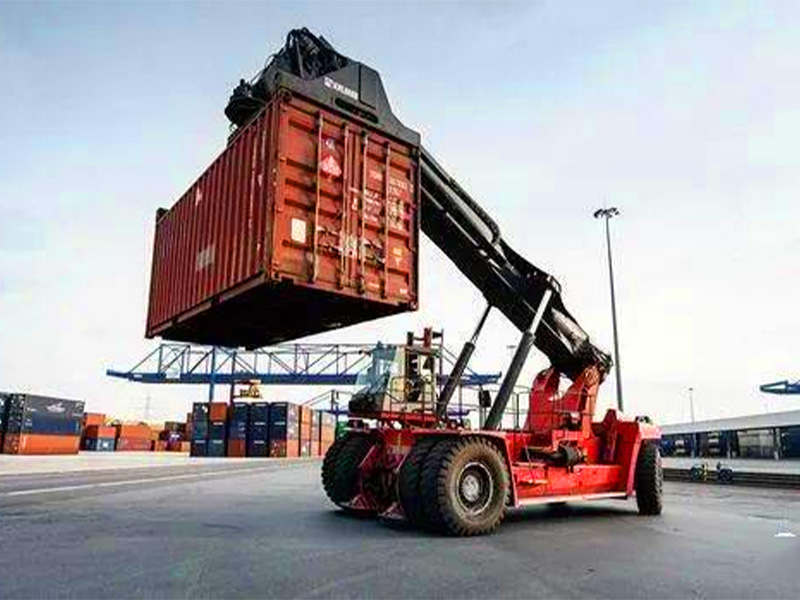
We're three years past the worst of the pandemic chaos, and somehow the industry is still dealing with the same equipment shortages that snarled ports in 2021. Containers pile up at inland warehouses while ports run low. Chassis—the wheeled frames that let trucks move containers—are either rusting in storage yards or nowhere to be found when a driver shows up to pick up a load . The DOT's request for information is a clear signal that the administration sees this as a structural problem, not just a COVID hangover .

The scope of what they're asking about is broad. They want input on equipment shortages, sure, but also on infrastructure bottlenecks, warehouse capacity, technology systems that don't talk to each other, and workforce gaps . The underlying question is simple: why does moving freight in the United States still feel like playing a game where half the pieces are missing?

What DOT Is Actually Asking


The information request, set to publish in the Federal Register, covers six main areas. Here's what they want to know:

Equipment Shortages

This is the headline issue. DOT wants to hear about current and potential future shortages of chassis and shipping containers . They're asking what's causing the gaps and how the industry can address them over the medium and long term . The key word there is "how." They're not just documenting the problem—they're looking for solutions that industry insiders actually think will work.

Infrastructure and Operational Bottlenecks

Every freight professional has a list of choke points—that rail yard where trains always stack up, the bridge that can't handle double-stack containers, the port gate that takes two hours to clear . DOT wants those lists. They're asking for identification of major bottlenecks across shipping, receiving, intermodal transfer, rail, water, truck, and warehousing . More importantly, they want to know what investments and management changes would actually fix them .

Warehouse Capacity

The warehouse story is complicated. There's empty industrial space in some places and desperate shortages in others. DOT is asking about challenges in operating, siting, and constructing warehouse facilities . They're also interested in what third-party logistics providers are facing. If you've ever tried to lease warehouse space near a major port in the last two years, you know how tight the market is .

Technology and Interoperability

This is where things get nerdy, but it matters. DOT wants to know about information systems, cybersecurity risks, and interoperability . If you've ever watched a truck driver sit at a terminal for an hour because the port system won't talk to the carrier system, you understand the problem. They're asking whether greater standardization of technology would help .

Workforce Issues

You can have all the equipment and infrastructure in the world, but if there's nobody to move the freight, nothing happens. DOT is asking about workforce challenges, skills gaps, and opportunities to create good-paying jobs . The executive order specifically mentions "the choice of a union," so workforce questions are framed around both availability and quality of jobs .

The Bigger Picture

All of this feeds into a supply chain assessment that the Transportation Secretary has to deliver to the president within a year . The information request isn't just for show—it's the starting point for a formal process that could lead to policy changes, investment decisions, and new regulatory approaches .

Why This Matters Right Now


The Container and Chassis Problem Isn't New, But It's Persistent

The equipment shortages that made headlines in 2021 have eased, but they haven't disappeared. The problem now is structural, not just pandemic-related. Chassis pools in major ports still report shortages during peak seasons . Inland depots sit empty while containers pile up because there's no chassis to move them. And with trade patterns shifting and volumes staying high, the pressure on equipment isn't going away .

The Infrastructure Funding Is Flowing, But Needs Targeting

The Bipartisan Infrastructure Law dumped billions into ports, roads, and bridges. But throwing money at problems without knowing which bottlenecks hurt the most is inefficient. DOT's information request is essentially a way to get a prioritized list of where infrastructure investments would have the biggest impact .

Supply Chain Resilience Has Become a National Security Issue

The executive order that kicked this off frames supply chain resilience as a matter of economic and national security. When a chassis shortage at the Port of Los Angeles can delay medical supplies or agricultural exports, it stops being just an industry problem .

What Happens Next


The information request is open for public comment, which means any stakeholder—port authorities, trucking companies, railroads, warehouse operators, shippers, labor unions—can weigh in . The DOT will collect responses, digest them, and feed the findings into the broader supply chain assessment due in early 2027 .

In practical terms, this means we'll likely see policy proposals later this year aimed at:

  • Standardizing chassis pools or equipment management practices
  • Targeting infrastructure investments at specific identified bottlenecks
  • Addressing technology interoperability gaps
  • Workforce training programs tied to supply chain jobs

The Bottom Line


The DOT's information request is a rare opportunity for the industry to tell the federal government what's actually broken and how to fix it. The questions they're asking show they understand the complexity: equipment shortages don't exist in isolation. They're tied to infrastructure that can't handle the volume, technology that doesn't talk across systems, and a workforce that's stretched thin.

For the people moving freight every day, this is a chance to get heard. The administration is asking. The question is whether the industry will show up with answers that go beyond complaints and actually point toward solutions.

Frequently Asked Questions

Q: What exactly is DOT asking for?

A: The department wants public comment on six areas: equipment shortages (chassis and containers), infrastructure bottlenecks, warehouse capacity, technology interoperability, workforce issues, and broader supply chain challenges . They're looking for both problem identification and potential solutions.

Q: Who can submit comments?

A: The information request is open to a "broad range of stakeholders," including port operators, trucking companies, railroads, warehouse operators, shippers, third-party logistics providers, labor unions, and anyone else involved in moving freight .

Q: What's the timeline for this?

A: The information request is scheduled for publication in the Federal Register. The Transportation Secretary has one year from the February executive order to deliver a full supply chain assessment to the president .

Q: Is this just about chassis and container shortages?

A: No, those are a key focus, but the request also covers infrastructure bottlenecks, warehouse capacity, technology systems, and workforce challenges . It's a comprehensive look at what's holding up freight movement.

Q: What happens after the comments are collected?

A: DOT will analyze the responses and incorporate them into the supply chain assessment required by the executive order . That assessment will inform policy recommendations and investment priorities.

Q: How does this relate to the Biden executive order from February?

A: The February executive order directed federal agencies to take action to secure and strengthen supply chains. The DOT information request is one of the first concrete steps to gather data and stakeholder input that will shape those actions .

Q: Will this lead to new regulations?

A: Not directly, but the findings from this process will likely inform policy proposals, infrastructure investments, and potentially new regulatory approaches if the data shows persistent problems that aren't being solved by market forces .