In aggressive environments such as chemical processing plants, coastal reclamation zones, and high-salinity mining sites, standard heavy machinery suffers accelerated structural degradation. According to industry data, corrosion-related failures account for 35% of unplanned downtime and increase total ownership cost (TCO) by up to 40% over a 5-year lifecycle. The anti-corrosion excavator is engineered to withstand continuous exposure to chlorides, acidic runoff, and chemical vapors, delivering extended service intervals and superior residual value. This guide provides an objective, data-driven evaluation of powertrain durability, structural design, and compliance with ISO 12944 (C5-M / CX environments), CE, and EPA Tier 4 / EU Stage V emission standards.

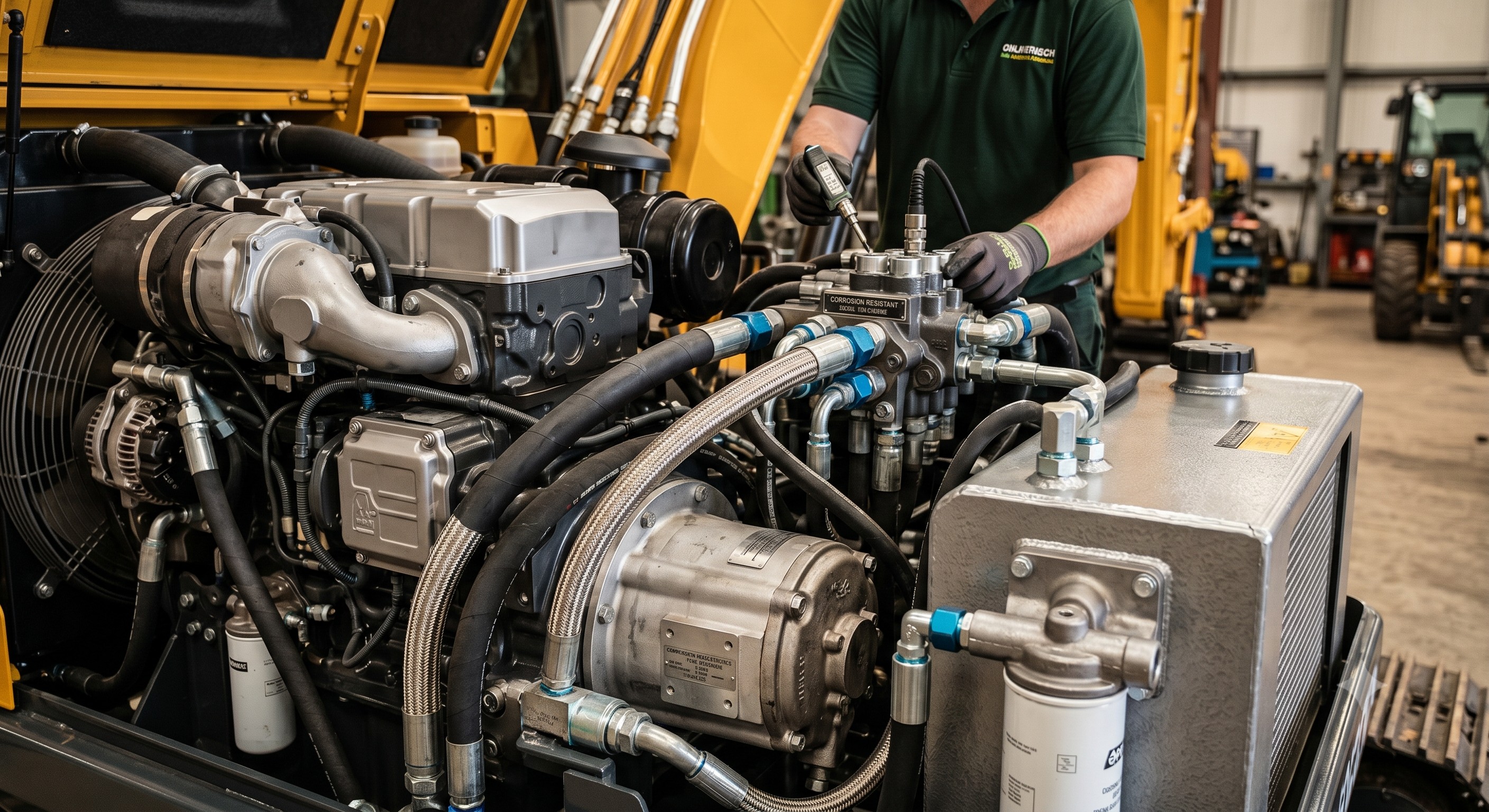
The heart of an anti-corrosion excavator is its forced-induction diesel engine, typically rated between 150 hp (112 kW) and 350 hp (261 kW) for the 20-45 metric ton class. These engines feature hermetic electrical connectors, epoxy-coated oil pans, and stainless steel turbocharger housings. For emission compliance, selective catalytic reduction (SCR) and diesel particulate filter (DPF) components are encapsulated in marine-grade aluminum enclosures. Fuel consumption averages 12-18 L/h under 75% load, with corrosion inhibitors in the fuel system.
The hydraulic system operates at 34.3 MPa (4,980 psi) to deliver breakout forces exceeding 180 kN. All hardlines are 316L stainless steel or zinc-nickel plated carbon steel (salt spray tested to 1,000+ hours per ASTM B117). Cylinder rods receive chrome-ceramic composite plating (hardness > 1,100 HV) to resist pitting. Swivel joints and rotary unions are rated IP66/IP67 for temporary immersion.
The undercarriage features cathodic protection anodes (zinc or aluminum alloy) bolted to the track frame. Boom and arm structures are fabricated from high-tensile steel (yield strength ≥ 690 MPa) with multi-layer epoxy coating systems (total dry film thickness ≥ 320 µm). All fasteners are A4-80 stainless steel (equivalent to 316 grade). Track links and sprockets are induction-hardened with ceramic particle impregnation for abrasion-corrosion resistance. ROPS/FOPS certified cabs (ISO 12117-2, ISO 3449) use sealed positive pressure ventilation with activated carbon filters.
The following parameters represent a typical 30-metric-ton anti-corrosion excavator compliant with ISO 12944 C5-M (very high marine / industrial) and emission regulations. Actual values vary by OEM configuration.
| Key Parameter | Technical Specification |
|---|---|
| Engine Horsepower (Net) | 250 hp (186 kW) @ 2,000 rpm - EPA Tier 4 Final / EU Stage V |
| Operating Weight | 31,200 kg (68,800 lbs) - including corrosion protection package |
| Maximum Hydraulic Pressure (Implement) | 34.3 MPa (4,980 psi) - main relief |
| Standard Bucket Capacity (Heavy Duty) | 1.6 m³ (2.1 yd³) - AR400 liner optional |
| Fuel Consumption (Average) | 14.5 L/h (3.8 gal/h) at 75% load factor |
| Corrosion Protection Standard | ISO 12944 C5-M (Very high marine/industrial) - 1,000h salt spray |
| Emissions Compliance | EPA Tier 4, EU Stage V, China Nonroad Stage IV |
| Hydraulic System Protection | 316L stainless steel lines, IP66 swivel joint |
| ROPS/FOPS Cab | Yes - ISO 12117-2 (ROPS), ISO 3449 Level II (FOPS) |
| Track Shoe Width (Standard) | 700 mm (28 in) - triple grouser with ceramic coating |
Compared to standard excavators with aftermarket corrosion coatings, factory-engineered anti-corrosion excavators deliver measurable lifecycle benefits:
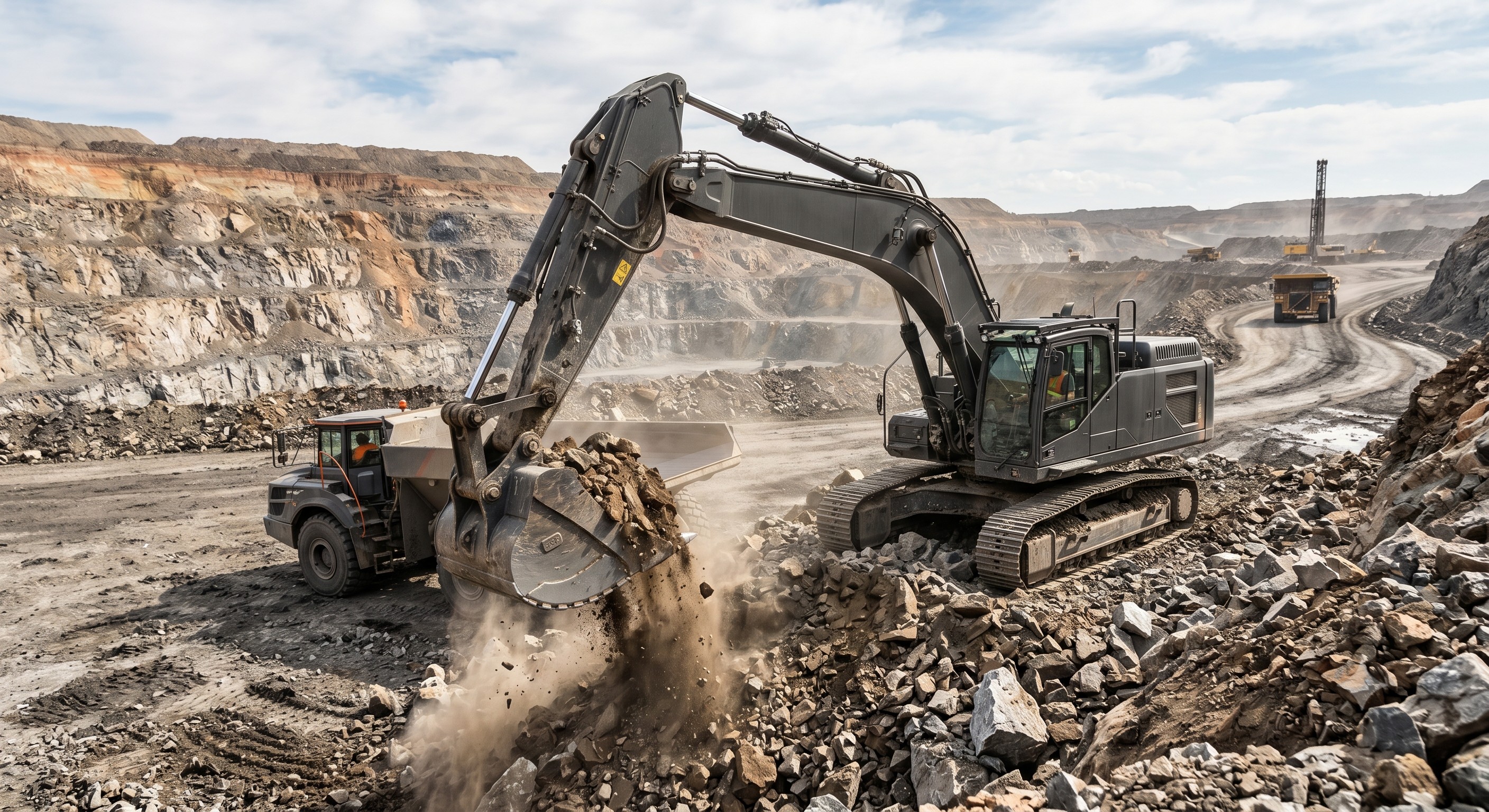
The anti-corrosion excavator proves indispensable in four primary segments:

Investing in an anti-corrosion excavator is not merely a defensive measure but a strategic productivity driver. With OEMs now offering 5-year/10,000-hour structural warranties against corrosion perforation (conditional on proper maintenance), the technology has matured beyond niche applications. For fleet managers operating in ISO 12944 C4 to CX environments, the data overwhelmingly supports factory-engineered solutions over field-applied coatings. As heavy machinery electrification accelerates, next-generation anti-corrosion models will integrate sealed lithium-ion battery packs (IP69K) and corrosion-resistant e-motor housings, further reducing lifecycle emissions and TCO. Prioritize third-party validation (e.g., DNV or Bureau Veritas certification) when specifying your next anti-corrosion excavator.