Categories
Categories

2026 Amazon Seller's Survival Guide: Tariffs, FBA Fees, and the End of Cheap Shipping

For Amazon sellers, 2026 has brought sudden rule changes: the U.S. eliminated the $800 de minimis duty exemption, cut some China tariffs from 20% to 10%, and Amazon adjusted FBA fees, creating an entirely new playbook where success depends on staying informed, not just surviving.
Mar 17th,2026 199 Views

The Situation: Three Big Shifts That Changed Everything


The $800 Free Ride Is Over

For years, sellers shipped small parcels directly to U.S. customers using the Section 321 de minimis exemption—anything under $800 sailed through customs duty-free . That's done. Starting late 2025, the rules changed. Now every single package, no matter how small, requires formal customs entry. That means duties, taxes, brokerage fees, and paperwork on everything . If you've been relying on postal or courier direct shipping, your cost structure just got blown up.

China Tariffs Actually Went Down (Sort Of)

Here's the twist nobody saw coming. In late 2025, the U.S. cut the so-called "fentanyl tariffs" on Chinese goods from 20% to 10% . That's real money. For sellers moving goods by ocean freight, this is a genuine cost reduction. It's not a huge cut, but in a world where everything else is getting more expensive, a tariff drop stands out.

Amazon Rewrote the Fee Playbook

Amazon's 2026 FBA fee changes landed in January, and they're not simple across-the-board increases. The headline says average fees went up eight cents per unit . But look closer and it's a completely different story:

  • Low-price items under $10 still get discounted fulfillment, about 86 cents per unit . Amazon wants cheap stuff on the platform, so they're not killing it.
  • Expensive standard items over $50 got hammered. Small ones up 51 cents, large ones up 31 cents . If you sell high-margin electronics or branded goods, recalculate your profits now.
  • Large and oversized items actually got cheaper. We're talking 26 cents to over two dollars less per unit . Home goods, furniture, fitness equipment—this is a gift if you play it right.
  • Low inventory fee now tracks individual FNSKUs, not parent ASINs. Miss the 28-day threshold and you pay .
  • SIPP packaging discount for large items is gone. If you're not using own packaging, add about $2.07 per unit in new fees .

Meanwhile, Amazon Europe went the other way—big fee cuts on multiple categories, including home goods dropping from 15% to 8% commission . That's a signal worth noticing.

What These Changes Actually Mean for Sellers


Direct Shipping Is Dead for Most Products

Let's be honest: if you've been shipping small parcels direct to customers, the math no longer works. Every package now faces duties, customs bonds, and formal entry costs . The days of testing products with 50 units via air mail are over. You either scale up or get priced out.

Ocean Freight + Warehousing Is the New Baseline

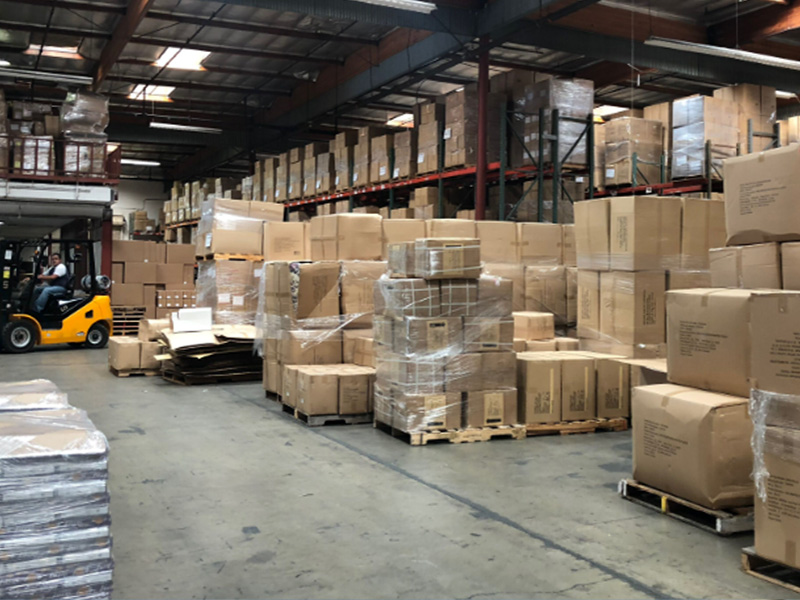
The combination of lower China tariffs on ocean freight  and lower FBA fees for large items  creates a rare window. If you can ship bulk ocean containers to U.S. warehouses—either Amazon FBA or third-party—you capture savings on both ends. This is especially true for home, furniture, and fitness sellers. The infrastructure now rewards scale.

Inventory Management Became a Profit Center

Amazon's fee changes punish bad inventory discipline. The low inventory fee now hits individual SKUs, not whole product families . Over-12-month storage fees went up . The message is clear: you either turn inventory fast or you pay. Sellers who treat stock like money in the bank—because it is—will come out ahead.

Europe Just Got More Interesting

While the U.S. fee picture is mixed, Europe is offering carrots. Lower commissions on home goods, pet products, and apparel  suggest Amazon wants more sellers in those categories. If you've been U.S.-only, 2026 might be the year to diversify.

The Seller's Action Plan for 2026


Step One: Run the Numbers on Every SKU

Amazon's new Profit Analytics dashboard  exists for a reason. Pull every active ASIN, plug in the new FBA fees, estimate your tariff costs, and see what actually makes money. The eight-cent average hides big swings—know which products are winners and which are walking dead.

Step Two: Rethink Your Logistics Flow

If you're still shipping small parcels direct, stop. Move to ocean freight consolidation. Ship to a U.S. warehouse—either FBA or third-party—and replenish in smaller batches from there . This buffers you against customs delays, spreads inventory risk, and lets you capture those large-item fee discounts.

Step Three: Get Serious About Inventory Days

Track days of supply at the FNSKU level. If you're below 28 days on fast movers, you're leaving money on the table in low inventory fees . If you're sitting on 12-month-old stock, liquidate it. The carrying cost plus storage penalties will eat whatever margin you hoped for.

Step Four: Consider Europe as a Hedge

The U.S. market is getting more expensive and more complicated. Europe just got cheaper . If your products fit the categories getting fee cuts—home, pet, apparel—test a few SKUs in UK or Germany. Diversification isn't just about markets; it's about policy risk.

Step Five: Watch the Supreme Court

There's a wild card coming. The U.S. Supreme Court is expected to rule on whether certain Trump-era global tariffs were legal . If they're struck down, nearly $150 billion in paid duties could be refunded. That's chaos, but it's also opportunity. Stay plugged into trade news.

The Bottom Line


2026 isn't the year Amazon sellers coast. It's the year the industry splits into two groups: those who adapt and those who complain. The rules changed. Direct shipping died. Tariffs shifted. Fees restructured. But here's the thing—for sellers who pay attention, there's real advantage in the chaos.

Large-item sellers got a gift. Ocean freight just got cheaper relative to air. Europe is waving a flag. Inventory discipline now pays direct dividends. This isn't a crisis—it's a filter. The sellers who run the numbers, fix their logistics, and manage stock like cash will come out stronger.

The ones who don't? They'll blame Amazon, blame tariffs, and fade out. Your move.

Frequently Asked Questions

Q: Did Amazon raise FBA fees across the board in 2026?

A: No. The average increase was eight cents per unit, but it varies wildly by product. Low-price items under $10 still get discounts, expensive items over $50 saw significant hikes, and large/oversized items actually got cheaper .

Q: What happened to the $800 duty-free rule?

A: It's gone. The Section 321 de minimis exemption was eliminated in late 2025. Every package now requires formal customs entry, with duties, taxes, and brokerage fees applying regardless of value .

Q: Did China tariffs go up or down?

A: Down, on certain goods. The "fentanyl tariffs" were cut from 20% to 10% in November 2025 . This mainly benefits ocean freight shipments, not small parcels.

Q: Are large items still worth selling on Amazon?

A: More than ever. FBA fees for large and oversized items dropped by 26 cents to over two dollars per unit . Combined with lower tariffs on ocean freight, large products have rare cost advantages in 2026.

Q: What's the "low inventory fee" and how do I avoid it?

A: It's a fee Amazon charges when you have less than 28 days of inventory for a specific FNSKU. Track your stock levels at the individual SKU level and replenish before you dip below the threshold .

Q: Should I start selling in Europe?

A: Possibly. Amazon cut fees significantly in Europe for home, pet, and apparel categories . If you're already selling those products in the U.S., testing a few European SKUs could hedge your policy risk.

Q: What's the SIPP packaging fee change?

A: Amazon eliminated the "Ship in Own Packaging" discount for large items. If you're not using your own packaging, you'll now pay about $2.07 per unit in additional fees .

Q: How do I track all these fee changes for my products?

A: Use Amazon's Profit Analytics dashboard and the updated FBA revenue calculator . Run every ASIN through the new numbers to see which products still make sense.