WELCOME TO OUR BLOG

We're sharing knowledge in the areas which fascinate us the most
click

Truck Tire Blowouts: Why They Happen and How Not to Die When They Do

By globalmachex March 20th, 2026 52 views

Quick Intro—Why Tires Explode


Tires look tough. They're big, they're black, they roll for thousands of miles without complaint. But inside, they're under pressure—literally. A truck tire can have 100 psi or more. That's a lot of force looking for a way out.

When a tire is damaged, underinflated, overloaded, or just plain worn out, that force has a weak spot to find. And when it goes, it goes fast. The rubber doesn’t rip; it detonates. And a piece of rubber going at highway speed is a projectile.

The drivers who avoid blowouts are not lucky; they are observant.

Answering the Main Question


What Actually Makes a Truck Tire Blow?

Worn Treads

Tires need tread to grip the road and to protect against punctures. When tread gets thin, anything sharp on the road—a nail, a piece of metal, a chunk of debris—can punch through .

The legal limit is usually 4/32 of an inch for steer tires on trucks. That's not a suggestion. When you're below that, you're gambling .

Underinflation

A tire with low pressure flexes more as it rolls. That flexing generates heat. A lot of heat. And heat breaks down the rubber and the steel belts inside .

A tire that's 20 percent underinflated can overheat and fail in a matter of miles. Check pressure weekly. With a gauge, not by kicking it .

Overloading

Every tire has a weight rating. Exceed it and the tire can't handle the load. The sidewalls bulge, heat builds, and eventually something gives .

Trucks have weight limits for a reason. Ignoring them kills tires—and sometimes people.

Damage

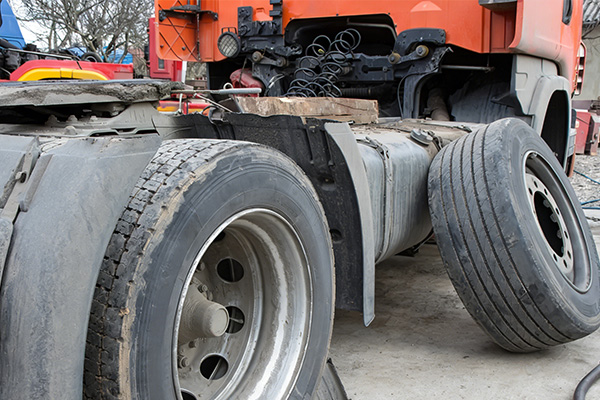
Cuts, bulges, punctures—once the tire's structure is compromised, it's only a matter of time . A small cut today is a blowout tomorrow. Inspect tires daily. If you see damage, replace the tire.

Heat

Braking hard, speeding, running underinflated—all of it makes heat. And heat is the enemy of rubber and steel . Keep speeds reasonable, avoid riding the brakes, and give tires a chance to cool.

How to Keep Tires from Blowing

Inspect Daily

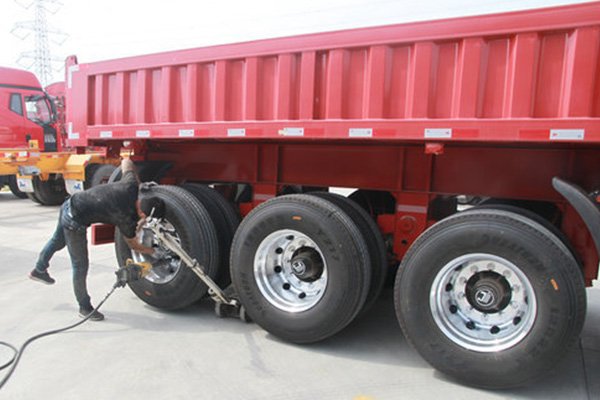
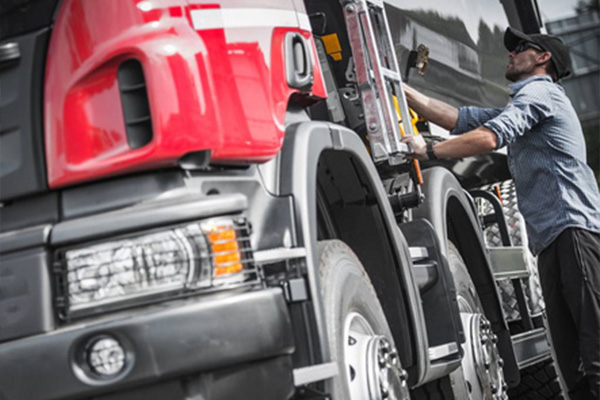
Before the truck moves, walk around it. Look at every tire. Check pressure. Look for cuts, bulges, nails, uneven wear . If something looks wrong, don't ignore it.

Maintain Proper Inflation

Not close enough—exactly right. Use a gauge. Check when tires are cold. Follow the manufacturer's specs .

Don't Overload

Know your weight limits. Stick to them. Overloading doesn't just risk a blowout—it's illegal and dangerous in every other way too .

Drive Smart

Smooth acceleration, gentle braking, reasonable speeds. All of it keeps tires cooler and happier .

Replace Tires Proactively

Don't wait for the tread to be bald. When they're getting thin, replace them. A new tire costs money. A blowout costs more .

What to Do When a Blowout Happens

If you're driving and a tire blows, your instincts will tell you to slam on the brakes. That's the wrong move.

Don't hit the brakes hard. That can make you lose control completely. Instead, take your foot off the gas and let the truck slow down gradually .

Hold the wheel steady. The truck will pull to one side. Fight it. Keep it straight .

Don't jerk the wheel. Sudden movements make it worse. Smooth, steady corrections only .

Pull over when it's safe. Get off the road, away from traffic, then assess the damage .

If you're in a car and you see a truck blow out ahead of you:

  • Don't brake hard. You'll skid or get rear-ended .
  • Slow down gradually. Give the truck space .
  • Watch for debris. Tire chunks can be everywhere .
  • Don't pass until you're sure the truck is under control .

How to Actually Prevent Blowouts


Step One: Pre-Trip Inspection Every Time

Not a glance—a real walk-around. Check every tire. Use a gauge. Look for damage. If something's wrong, fix it before you roll.

Step Two: Follow the Maintenance Schedule

Tires wear. They need rotation, alignment, and replacement. Don't stretch it. The schedule exists for a reason.

Step Three: Train Drivers

Drivers need to know what to look for and what to do when they see it. A driver who reports a slow leak early saves a blowout later.

Step Four: Use Technology

Tire pressure monitoring systems (TPMS) alert you when pressure drops. They're not expensive compared to a blowout.

Step Five: Respect the Weight Limits

Overloading isn't just about the total weight—it's about distribution too. Uneven loads put extra stress on some tires. Balance it right.

Step Six: Drive Like You Know What's at Stake

Aggressive driving heats tires. Heated tires fail. Drive smooth, drive smart, drive like you want to get there in one piece.

Summary


Here's the short version for when you're walking around a truck wondering what to check:

  • Blowouts happen from worn tread, low pressure, overloading, damage, and heat.
  • Check tires daily. Pressure, cuts, bulges, tread depth.
  • Maintain proper inflation. Use a gauge. Don't guess.
  • Don't overload. Know your limits.
  • Drive smooth. Heat kills tires.
  • Replace tires before they're bald.
  • If a blowout happens: don't brake hard, steer steady, pull over slow.
  • If you're behind a truck that blows: give space, don't panic brake, watch for debris.

Tires are the only thing between the truck and the road. Treat them like they matter, because they do.

Frequently Asked Questions

Q: How often should truck tires be checked?

A: Daily. Before every trip. Pressure, tread, damage. A quick walk-around saves lives .

Q: What's the minimum tread depth for truck tires?

A: For steer tires, 4/32 of an inch is the legal limit. For others, 2/32. But replacing earlier is safer .

Q: Can a blowout really flip a truck?

A: Yes. A sudden loss of tire pressure at speed can cause the driver to lose control, especially on steer axles. Rollovers happen .

Q: How do I know if my tire pressure is correct?

A: Use a gauge. Check when tires are cold. Follow the manufacturer's specs on the door placard or in the manual .

Q: What's the most common cause of truck tire blowouts?

A: Probably underinflation. It's easy to overlook, and it causes heat buildup that destroys tires from the inside out .

Q: Should I try to change a blown tire on the side of the road?

A: Only if you're safely away from traffic and know what you're doing. Otherwise, call for help. A roadside blowout is not the place to learn .

Liquid Sloshing: Why That Tanker Feels Like It's Trying to Kill You
Previous
Liquid Sloshing: Why That Tanker Feels Like It's Trying to Kill You
Read More
Driver Camera: Surveillance or Protection? The Truth Is Here
Next
Driver Camera: Surveillance or Protection? The Truth Is Here
Read More