WELCOME TO OUR BLOG

We're sharing knowledge in the areas which fascinate us the most
click

Shipping a Used Truck Overseas: Ro-Ro, Container, or Flat Rack – What's the Difference?

By globalmachex April 9th, 2026 6 views

Quick Intro—Why It's Not Just "Put It on a Boat"


Shipping sounds simple. Truck goes on boat, boat crosses ocean, truck comes off. How hard can it be?

Harder than you think. Because trucks aren't all the same, and ships aren't all the same. A standard semi fits one way. A lifted off-road truck fits another. A piece of construction equipment with tracks? That's a whole different problem.

Then there's the paperwork. Customs, export declarations, port fees, insurance. Miss one document and your truck sits on the dock while the costs pile up.

The guys who do this regularly know the shortcuts. The rest of us learn by making expensive mistakes.

Answering the Main Question


Option One: Ro-Ro (Roll-on/Roll-off)

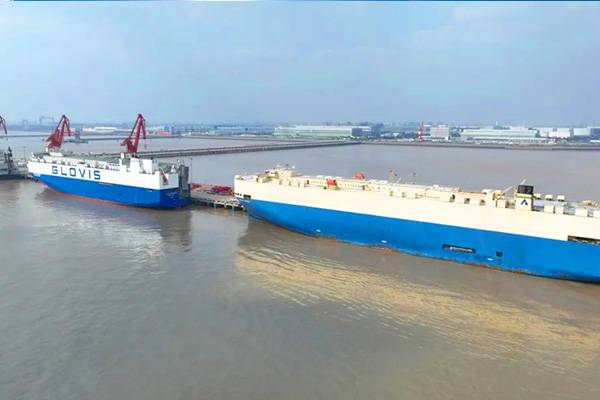
This is the most common way to ship a complete truck. You drive it onto the vessel, park it, and it stays there until the ship docks at the other end .

How it works: The truck drives up a ramp and gets secured in a designated spot on the ship. No cranes, no containers, no lifting. Just drive on, drive off .

Best for: Standard trucks that run and drive. If it starts and moves under its own power, Ro-Ro is usually the cheapest and easiest option .

The good: It's fast, it's cheap, and there's minimal handling. Less handling means less chance of damage from cranes or shifting .

The not-so-good: Your truck is exposed to the elements. Salt air, rain, sea spray—it's all there. If you're shipping something pristine, this might not be your best bet .

Option Two: Container Shipping

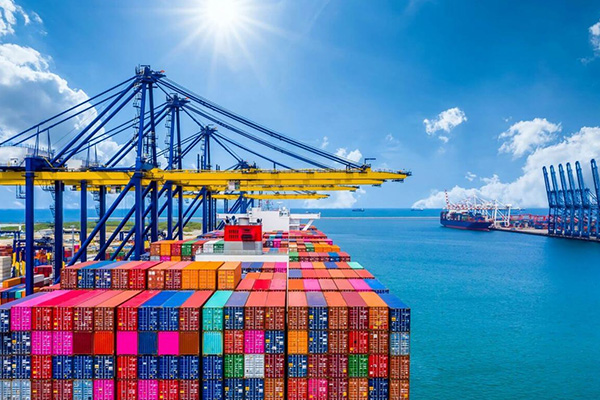
This is exactly what it sounds like. Your truck goes inside a shipping container, the doors get sealed, and it's loaded onto a container ship .

How it works: The truck is driven or loaded into a container. For smaller trucks, it fits whole. For bigger ones, sometimes it has to be partially disassembled—mirrors off, wheels removed, that kind of thing .

Best for: Smaller trucks, high-value vehicles, or anything that needs protection from weather and theft . If you're shipping something you can't afford to lose or damage, container is the way to go.

The good: Maximum protection. No salt spray, no rain, no prying eyes. It's secure, clean, and arrives the same way it left .

The not-so-good: It's more expensive than Ro-Ro. And if your truck is too big for a standard container, you're looking at special arrangements or disassembly .

Option Three: Flat Rack and Low Bed Shipping

Some trucks aren't built for containers. They're too tall, too wide, or just the wrong shape. That's where flat racks come in .

How it works: A flat rack is like a container without sides or a roof. Your truck gets strapped down, and it's shipped open to the air. Low bed shipping is similar—it's for vehicles that are too heavy or oddly shaped for standard methods .

Best for: Oversized vehicles, construction machinery, anything that won't fit in a box . If you're shipping an excavator or a massive dump truck, this is your option.

The good: It handles what nothing else can. No size limits, no squeezing into spaces .

The not-so-good: Your truck is fully exposed. Weather, salt, road grime—it's all on there. And because it's specialized, it costs more .

What Determines the Price?

Shipping costs aren't random. They're based on a few key things:

  • Size and weight. Bigger trucks cost more. Heavier trucks cost more. It takes up space and fuel .
  • Destination. Across the ocean costs more than just down the coast. Distance matters .
  • Port fees. Every port charges something. Loading, unloading, storage, handling—it adds up .
  • Documentation. Export papers, customs forms, certificates. If you're not doing it yourself, someone's charging for it .
  • Insurance. If you want coverage, you pay for it. If you don't, you're gambling .
  • Timing. Peak season costs more. Fuel surcharges add up. Book early if you can .

Why Bother With a Professional Exporter?

You can do this yourself. People do. But it's a headache.

A good exporter handles:

  • Paperwork. Export declarations, registration papers, customs clearance . Miss a form and your truck doesn't move.
  • Port coordination. Getting the truck to the dock, through customs, onto the ship . That's a lot of moving parts.
  • Shipping arrangements. Choosing the right method, booking space, dealing with carriers .
  • Problem-solving. When something goes wrong—and something always goes wrong—they fix it .

If you're shipping one truck, maybe you roll the dice. If you're shipping multiple, or if that truck is valuable, having someone who knows what they're doing is worth the cost.

How to Actually Choose the Right Method


Step One: Know Your Truck

  • Does it run and drive? Ro-Ro is an option.
  • Is it small enough for a container? Measure it. Check container dimensions.
  • Is it oversized or oddly shaped? Flat rack or low bed.
  • Is it valuable or pristine? Container for protection.

Step Two: Know Your Destination

  • Where is it going? Different ports have different rules and costs.
  • Is there Ro-Ro service? Not every port does it.
  • How far is the port from the final destination? Overland transport adds cost.

Step Three: Know Your Budget

  • Cheapest? Usually Ro-Ro.
  • Most protection? Container.
  • Only option for big stuff? Flat rack.

Be realistic. The cheapest method might cost more in the long run if your truck gets damaged or delayed.

Step Four: Know Your Timeline

  • In a hurry? Ro-Ro is often faster.
  • Willing to wait? Container might take longer to book.
  • Need it by a certain date? Build in buffer time. Ships get delayed.

Step Five: Talk to Someone Who Does This

Don't guess. Call an exporter. Tell them what you have, where it's going, and when you need it. They'll tell you what works and what doesn't. Then get a second quote.

Summary


Here's the short version for when you're staring at a truck you just bought and wondering how to get it home:

  • Ro-Ro: Drive on, drive off. Cheap, fast, exposed to weather. Best for standard running trucks.
  • Container: Sealed box. Maximum protection, higher cost. Best for small or high-value trucks.
  • Flat rack/low bed: Open transport for oversized stuff. Handles what won't fit elsewhere. Specialized, expensive.
  • Costs depend on size, weight, distance, port fees, docs, insurance, and timing.
  • A professional exporter handles paperwork, port coordination, shipping, and problems. Worth it for peace of mind.

There's no magic answer. The right method depends on your truck, your budget, and your tolerance for risk. But now you know what the options are and what each one actually means.

Frequently Asked Questions

Q: Is Ro-Ro safe for my truck?

A: Generally yes. Thousands of trucks ship this way every year with no issues. But it's exposed to weather, so if you're worried about salt spray or rain, consider a container .

Q: Can I ship a non-running truck Ro-Ro?

A: No. Ro-Ro requires the truck to drive on and off under its own power. If it won't start, you need container or flat rack with a crane .

Q: How do I find a reliable exporter?

A: Look for companies with good reviews, clear pricing, and experience with your type of truck. Ask for references. Get everything in writing .

Q: What documents do I need?

A: Typically, the title, bill of sale, export declaration, and customs forms. Your exporter should tell you exactly what's required .

Q: How long does shipping take?

A: Depends on the route. Europe to US East Coast might be 2-3 weeks. To the West Coast, longer. Always add buffer time .

Q: What if my truck gets damaged in transit?

A: That's what insurance is for. Make sure you have coverage before it ships. Don't assume the shipping company's insurance covers your truck .

Winter and Reefers: Why Cold Weather Is Harder on Your Reefer Than You Think
Previous
Winter and Reefers: Why Cold Weather Is Harder on Your Reefer Than You Think
Read More
Breakdown Safety: 6 Ways to Make a Bad Situation Worse
Next
Breakdown Safety: 6 Ways to Make a Bad Situation Worse
Read More