WELCOME TO OUR BLOG

We're sharing knowledge in the areas which fascinate us the most
click

Froth Flotation: How Bubbles Sort Your Minerals and What It Takes to Make It Work

By globalmachex March 14th, 2026 43 views

Quick Intro—Why Flotation Isn't Just Bubbles


Let's be honest. The idea is simple: make some rocks love water, make others hate it, blow bubbles, and let the ones that hate water ride the bubbles to the top. Skim it off, done.

But simple idea, complicated execution. Because "making rocks hate water" means coating them with exactly the right chemicals. Not too much, not too little. And the bubbles have to be the right size. And the water has to be the right chemistry. And the rocks have to be the right size. And if any of that's off, your concentrate looks like dirt.

The guys who make flotation work don't just watch bubbles. They watch everything—particle size, pulp density, reagent additions, air flow, froth depth. And they learn how it all ties together.

Answering the Main Question


What Flotation Actually Is

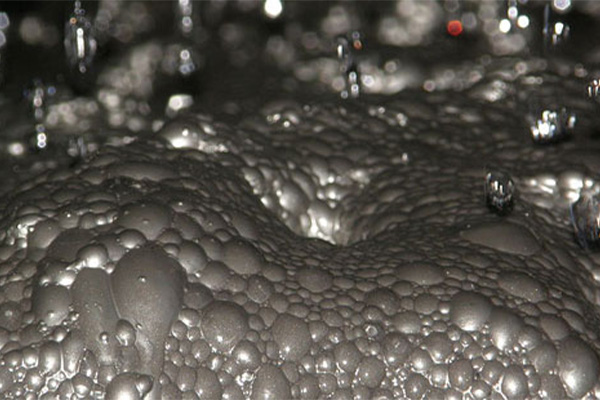
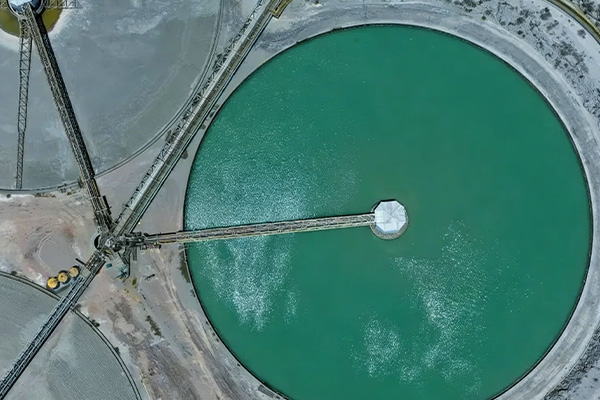
Froth flotation separates minerals by making some of them water-repellent. Grind the ore fine, mix it with water to make a slurry, add chemicals, blow air through it. The water-repellent minerals stick to the bubbles, float to the top, and get skimmed off as concentrate. The rest sink and go to tailings .

That's the elevator pitch. The details are where it gets interesting.

The key is hydrophobicity—how much a surface hates water. Some minerals are naturally hydrophobic. Coal, for example, floats pretty easily . Most aren't. You have to make them that way with chemicals called collectors.

What Makes It Work

Flotation isn't one thing. It's a system of interconnected parts. Change one, and everything else responds.

Chemical components do the selective work:

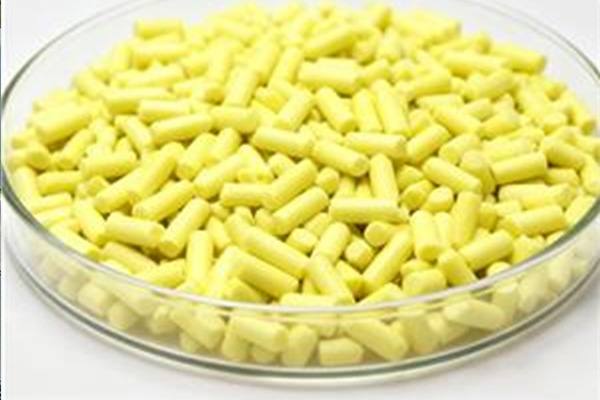
  • Collectors coat target minerals and make them hydrophobic . Xanthates for sulfides, fatty acids for oxides.
  • Frothers create stable bubbles that won't pop before they reach the surface . MIBC and polypropylene glycols are common.
  • Activators help certain minerals attach to collectors . Copper sulfate for sphalerite.
  • Depressants keep unwanted minerals from floating . Lime, cyanide, starch.
  • pH modifiers control the water chemistry . Lime for alkaline, acid for acidic.

Equipment components provide the environment:

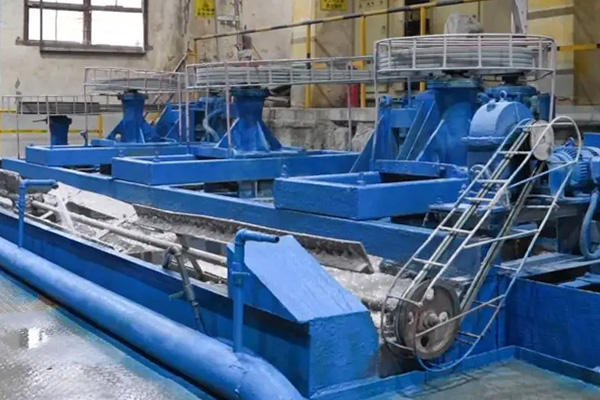
  • Cells—mechanical with impellers, or columns with countercurrent flow .
  • Agitation to keep particles suspended and bumping into bubbles .
  • Air systems to introduce bubbles at the right size and rate .
  • Banks of cells arranged in rougher, cleaner, scavenger circuits .
  • Controls to monitor levels, flows, dosages .

Operational parameters determine performance:

  • Particle size—too coarse and they sink, too fine and they don't hit bubbles .
  • Pulp density—how much solids in the water .
  • Air flow—too little and you lack bubbles, too much and you destabilize .
  • Froth depth—deeper froth means more chance for waste to drain out .
  • Temperature—affects chemical activity .

Everything ties together. Air flow changes froth stability. Particle size affects bubble loading. Reagent dosages shift with ore type. There's no single knob to turn.

How to Actually Make Flotation Work


Step One: Get the Grind Right

Flotation has a sweet spot for particle size. Generally 10 to 150 micrometers .

Too coarse, and the bubbles can't lift the weight. The particle detaches and sinks. Too fine, and the particles slide past bubbles without colliding. Both lose recovery.

If your grind is off, nothing else matters. Check it, control it, fix it.

Step Two: Watch the Pulp Density

Too thin, and particles are spread out. Fewer collisions, lower recovery. Too thick, and bubbles can't move through the slurry. Selectivity drops .

Most operations run between 25 and 45 percent solids . But ores with clay or slimes might need thinner pulp—down to 15 percent or even less .

Step Three: Manage Air and Bubbles

Bubbles are the taxis. Not enough, and you leave mineral behind. Too many, and the froth gets unstable and drops its load .

Smaller bubbles give more surface area and catch fine particles better . Column cells make smaller bubbles than mechanical cells, which is why they're good for fines .

Watch the froth. It should be stable enough to hold mineral, but not so stable that it becomes a persistent foam you can't handle downstream .

Step Four: Control Reagents Like a Chemist

Collector dosage is a balancing act. Too little, and recovery drops. Too much, and you float waste along with value .

Frother choice depends on particle size. Alcohol frothers like MIBC work for fines. Polypropylene glycols work better for coarse particles, though with less selectivity .

pH matters. Xanthate collectors on sulfides are pH-sensitive. If your pH drifts, your recovery drifts with it .

Step Five: Give It Enough Time

Different minerals need different flotation times. Copper might need 13 to 16 minutes in rougher cells. Coal might only need 3 to 5 .

Lab tests are a starting point, but plant scale usually needs about double the time . If your circuit is too short, you leave value behind. Too long, you waste power and space.

Step Six: Configure the Circuit Right

Roughers, cleaners, scavengers—each has a job. Roughers recover as much as possible, even if grade is low. Cleaners upgrade it. Scavengers grab what the roughers missed .

Column cells can replace multiple stages of conventional cells because they achieve better separation in one pass .

Sometimes split-feed arrangements make sense—processing coarse and fine fractions separately because they behave differently .

Step Seven: Monitor and Adjust

Modern flotation plants use cameras, analyzers, and automated controls. They watch froth velocity, bubble size, color, and stability .

But automated systems only work if someone understands what they're seeing. The best tool is still an experienced operator who knows when a change in froth means trouble.

Summary


Here's the short version for when you're standing at the cell trying to figure out why recovery is dropping:

  • Flotation separates by making some minerals water-repellent and floating them on bubbles.
  • Particle size matters. Too coarse or too fine kills recovery.
  • Pulp density affects collisions and bubble movement. Find the sweet spot.
  • Air and bubbles need to be just right—enough volume, right size, stable froth.
  • Reagents do the selective work. Dosage and type depend on your ore.
  • Give it enough time. Different minerals float at different rates.
  • Circuit configuration—rougher, cleaner, scavenger—affects final grade and recovery.
  • Watch what's happening. Froth tells you things. Learn to read it.

Flotation is part science, part art. The science tells you what should happen. The art is knowing when to adjust because the ore changed and the numbers haven't caught up yet.

Frequently Asked Questions

Q: What's the ideal particle size for flotation?

A: Generally 10 to 150 micrometers. Fines below 10 microns are hard to recover. Coarse above 300 microns are too heavy for bubbles .

Q: Why does froth sometimes get too stable?

A: Too much frother, or very fine particles that coat bubbles completely. Sometimes it's natural hydrophobicity, like with coal. Persistent foam is hard to handle downstream .

Q: How do I know if my collector dosage is right?

A: Recovery and grade tell you. Too low, recovery drops. Too high, grade drops because waste floats. Find the balance .

Q: What's the difference between mechanical and column cells?

A: Mechanical cells use impellers to mix and introduce air. Column cells use external bubble generators and countercurrent flow, making smaller bubbles and better separation, especially for fines .

Q: Why is pH control so important?

A: Collector performance depends on pH. Xanthates on sulfides work best in alkaline conditions. If pH drifts, the collector stops working or becomes non-selective .

Q: Can flotation work on recycled materials?

A: Yes. Flotation is used to separate plastics, recover paper fibers, and process electronic waste. The principles are the same—surface chemistry and bubble attachment .

Magnetic Separation vs. Froth Flotation: Picking the Right Tool for Your Ore
Previous
Magnetic Separation vs. Froth Flotation: Picking the Right Tool for Your Ore
Read More
Garbage Trucks: The Different Types and What Each One Actually Does
Next
Garbage Trucks: The Different Types and What Each One Actually Does
Read More