WELCOME TO OUR BLOG

We're sharing knowledge in the areas which fascinate us the most
click

Dump Truck Efficiency: How to Get More Work Done with Less Headache

By globalmachex March 16th, 2026 43 views

Quick Intro—Why Efficiency Matters More Than Horsepower


Let's be honest. Most people look at dump trucks and think about power. How much can it haul? How big is the engine? Those things matter, but they're not the whole story.

A truck with a 500-horsepower engine that's sitting empty waiting to be loaded isn't efficient. A truck that's hauling legal loads but taking the long way around isn't efficient. A truck that breaks down every other week because nobody checked the tires or greased the fittings? Definitely not efficient.

Efficiency is about moving the most material in the least time with the lowest cost. That means everything—loading, hauling, dumping, maintenance, fuel—has to work together.

Answering the Main Question


What Actually Makes a Dump Truck Efficient?

Before we talk about strategies, let's define what we're after. An efficient dump truck:

  • Hauls maximum legal payload every trip
  • Spends minimum time loading and dumping
  • Uses the least fuel per ton moved
  • Stays out of the shop and on the job
  • Keeps the driver safe and comfortable enough to stay focused

That's the goal. Now let's talk about how to get there.

The Different Types and Why They Matter

Not all dump trucks are built for the same work. Using the wrong type is the fastest way to kill efficiency.

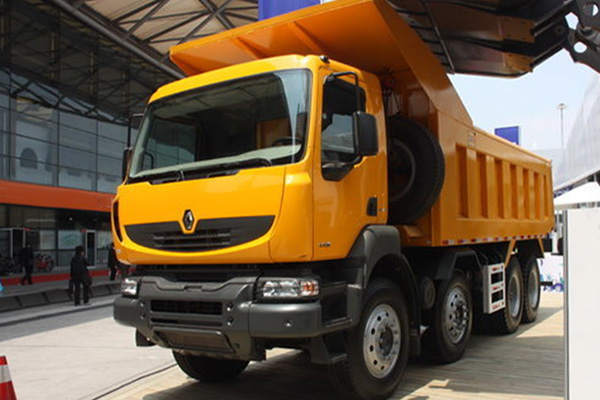
Standard dump trucks are what most people picture. A truck with a box on the back, powered by a hydraulic hoist. They're good for general construction, road work, and moving materials on paved or hard-packed sites .

Articulated dump trucks (ADTs) have a hinge between the cab and the box. They're built for rough terrain—mud, steep slopes, soft ground. If you're working off-road in nasty conditions, this is what you need .

Transfer dump trucks have a separate trailer pulled behind the main truck. They can carry more material in one trip, which sounds great, but they need more room to maneuver and aren't ideal for tight sites .

Side dump trucks dump to the side instead of the rear. They're faster for certain applications—spreading material along a road, for example—and they're more stable on uneven ground .

Pick the wrong one and you'll fight the site conditions all day.

The Parts That Matter Most

Every dump truck has the same basic components, but the quality and condition of those parts determine how well it works.

Chassis and frame are the backbone. If they're cracked or rusted, nothing else matters .

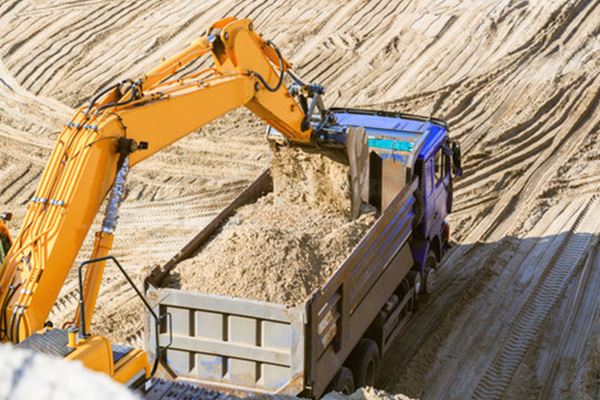
Dump box needs to be the right size for your material and your loading equipment. Too big and you're hauling air. Too small and you're making extra trips .

Hydraulic system lifts the box. If it's slow or weak, you're waiting at the dump site. If it fails, you're not dumping at all .

Axles and suspension carry the load. Properly spec'd axles mean you can haul legal payload without beating the truck to death .

Tires are where the rubber meets the road—literally. Wrong tires for the terrain and you're stuck, spinning, or burning fuel .

How to Actually Make Your Dump Trucks More Efficient


Step One: Use Technology to Work Smarter

Modern trucks have options that old ones didn't.

GPS tracking isn't just for seeing where your trucks are. It's for optimizing routes, reducing fuel burn, and knowing when a driver is taking the long way .

Telematics give you data—engine hours, fuel consumption, idle time, fault codes. If you're not looking at that data, you're guessing .

Predictive maintenance software can tell you when something's about to break before it actually does . Fixing a problem on a schedule beats fixing it on the side of the road.

Step Two: Manage Weight Like It's Money

Overloading is expensive. It wears out tires, breaks suspension components, and gets you fines at the scales.

Underloading is also expensive. You're hauling air instead of material, making extra trips, burning fuel for nothing.

Load cells that weigh each load as it goes in the truck take the guesswork out . Calibrate them, trust them, and use them.

Train your operators to know what a legal load looks like. If they're guessing, they're guessing wrong half the time .

Continuous monitoring systems alert you when a truck is getting close to overload so you can adjust before it's a problem .

Step Three: Pick the Right Tires and Keep Them Right

Tires are expensive. But cheap tires cost more in the long run.

Match the tire to the terrain. Sand and gravel need different rubber than rock and mud . Rough terrain tires have deeper tread and tougher sidewalls.

Check pressure regularly. Underinflated tires burn more fuel and wear out faster . Overinflated tires ride rough and are more likely to puncture.

Inspect for damage. A cut or bulge today is a blowout tomorrow. Fix it early.

Step Four: Invest in Quality Equipment

Cheap trucks cost more to run. That's just a fact.

Look for:

  • Strong hydraulic systems that dump fast and smooth
  • Durable chassis and axles that won't crack under load
  • Operator-friendly cabs that keep drivers comfortable and alert
  • Easy maintenance access so you're not paying hours of labor just to change a filter

Step Five: Plan for the Long Term

Efficiency isn't a one-time fix. It's ongoing.

Regular inspections catch problems before they become breakdowns . A loose bolt today is a broken part tomorrow.

Scheduled maintenance beats reactive repairs. Follow the manufacturer's intervals. Use the right fluids and filters.

Data analytics help you spot trends. If one truck is burning more fuel than the others, find out why. If a certain route always causes delays, change it.

Keep learning. New technology, new techniques, new regulations—stay on top of them.

Summary


Here's the short version for when you're trying to figure out why your dump trucks aren't earning what they should:

  • Match the truck type to the terrain and material. Standard, articulated, transfer, side—each has its place.
  • Use technology. GPS, telematics, predictive maintenance—they're not luxuries anymore.
  • Manage weight. Overload kills trucks. Underload kills profit.
  • Choose tires wisely and maintain them. Wrong tires = stuck. Flat tires = stopped.
  • Buy quality equipment. Cheap costs more.
  • Plan for the long term. Inspect, maintain, analyze, improve.

Dump trucks are simple in concept—haul material, dump it, repeat. But doing it efficiently, day after day, year after year, takes attention to detail. The trucks that get that attention make money. The ones that don't sit idle while the work waits.

Frequently Asked Questions

Q: How much weight can a dump truck legally carry?

A: Depends on the truck and jurisdiction, but typically 20 to 30 tons. Over that and you're looking at fines and extra wear .

Q: What's the difference between a standard dump truck and an articulated dump truck?

A: Standard trucks have a rigid frame. Articulated trucks have a hinge and are built for rough terrain, mud, and steep slopes .

Q: How often should I service my dump truck?

A: Follow the manufacturer's schedule. Generally, oil changes every 250 to 500 hours, full inspections every 1,000 hours or annually .

Q: Do GPS tracking systems really save fuel?

A: Yes. They optimize routes, reduce idle time, and catch inefficient driving behaviors. Typical fuel savings are 5 to 15 percent .

Q: What's the most common cause of dump truck breakdowns?

A: Neglected maintenance. Running with low oil, bad tires, or worn-out filters leads to bigger failures .

Q: Are side dump trucks better than rear dumps?

A: Depends on the application. Side dumps unload faster and are more stable on uneven ground. Rear dumps are simpler and more common .

Garbage Trucks: The Different Types and What Each One Actually Does
Previous
Garbage Trucks: The Different Types and What Each One Actually Does
Read More
Winter and Reefers: Why Cold Weather Is Harder on Your Reefer Than You Think
Next
Winter and Reefers: Why Cold Weather Is Harder on Your Reefer Than You Think
Read More