WELCOME TO OUR BLOG

We're sharing knowledge in the areas which fascinate us the most
click

Changing Tractor Oil? Don't Screw It Up

By globalmachex March 5th, 2026 53 views

Where's the Problem?


You'd think that something as simple as oil changes wouldn't be easy to screw up. And on a basic level, it isn't. The steps aren't complicated. But there's a difference between following the steps and doing it right.

The problem is, most people learn how to change oil once—maybe from a dad or a grandpa or a guy at the shop—and then they just... repeat it. Forever. They never stop to think about whether they're doing it the right way, or if there's a better way, or if the tractor they're working on today is different from the one they learned on twenty years ago.

That's where the mistakes creep in. Using the wrong oil. Forgetting to lube the filter gasket. Overtightening everything because "tight" feels safer. Skipping the fuel system bleed because you didn't know you needed to do it.

None of these are huge screw-ups on their own. But add them up over time, and you're looking at premature engine wear, fuel system damage, and breakdowns that could've been avoided with five extra minutes of attention.

What These Screw-Ups Are Really About (And How Not to Fall In)


Draining? Hold Up

The Mistake:
Guy crawls under the tractor, finds the drain plug, wrenches it off, and lets the oil fly. Sounds simple. But here's what goes wrong: wrong size wrench strips the plug. Plug falls into the drain pan and disappears into the used oil. Or worse—hot oil splashes everywhere because the pan wasn't positioned right.

How to actually fix it:
First, know your plug size before you start. Don't guess. Grab a few wrenches and test fit before you're under there with oil dripping on your face. Second, position the drain pan carefully. Not close—directly under. And give yourself room. If the oil shoots out at an angle, you want it hitting the pan, not the ground. Third, let the engine cool a bit if it's been running. Warm oil drains faster than cold oil, but hot oil burns. Find the sweet spot—warm enough to flow, cool enough to touch.

Filter? Don't Muscle It

The Mistake:
Oil filter's stuck. So the operator does what comes naturally—grabs a bigger wrench, puts some muscle into it, and cranks until something gives. Sometimes it's the filter. Sometimes it's the mounting threads. Either way, it's not good.

How to actually fix it:
If it won't move, do not try to force it. Get a good filter wrench to do the job, and try to steer clear of channel locks if possible. If it's really stuck, a strap wrench or a screwdriver inserted through an old filter can be helpful as a lever. The secret to all of the above is that when replacing the filter, do not overtighten it! Just tighten it by hand until it makes contact with the gasket, and then an additional three-fourths of a turn. Do not overtighten the filter! It makes the next replacement a real nightmare.

New Filter? Give It a Lube

The Mistake:
Guy takes the new filter out of the box, screws it on dry, and calls it done. Seems fine—until next time, when that dry gasket has bonded to the engine and refuses to come off without a fight.

How to actually fix it:
Before replacing the new filter, take some fresh oil and rub it around the rubber gasket using your finger. Not the dripping kind of oil, just the coated one. The small quantity of oil has the dual benefit of holding the gasket in place when it is time to tighten it, as well as preventing it from sticking when it is time to remove it again. It is a five-second operation that can save you twenty minutes of cursing later on.

Adding Oil? Don't Overdo It

The Mistake:
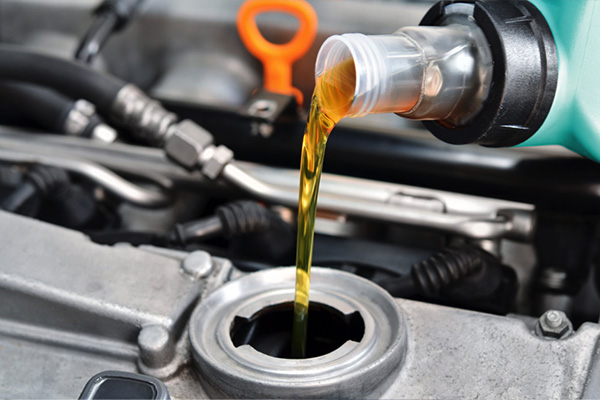
The new oil is put in. The operator guesses at the quantity, adds the entire jug, and gets on with other things. The engine smokes, leaks, or runs rough. Too much oil is almost as bad as too little, as it froths, loses lubricating properties, and can blow the seals.

How to actually fix it:
Read the manual. Know how much your tractor takes. Then add slowly—pour some, wait, check the dipstick. Pour some more, check again. The dipstick is your friend. Use it. And never fill to the top of the stick. The full mark is there for a reason. Hit it and stop. Overfilling doesn't give you a buffer—it gives you problems.

Drain Plug? Don't Hulk It

The Mistake:
Plug goes back in, and the operator gives it the full treatment—grunting, wrenching, putting their whole body weight into it. Gotta make sure it's tight, right? Wrong. Too tight strips threads, cracks the pan, and turns a simple oil change into a welding job.

How to actually fix it:
The goal is snug, not gorilla-tight. Insert the plug by hand, then use the wrench to turn it, perhaps one-half to three-fourths of a turn. If you have a torque wrench, which you should, refer to the specifications for the correct torque. If not, then "firm but not heroic" is the phrase that should be passing through your brain. Sweating? Overdoing it, aren't you?

Fuel Filter? Bleed It or Regret It

The Mistake:
Tractor's due for a fuel filter change, so the operator swaps it out, fires it up, and wonders why it sputters and dies. Air got into the system. And without bleeding it out, the engine starves for fuel and refuses to run right.

How to actually fix it:
However, once the new fuel filter has been put in, the job is not over yet. Not by a long shot! Find the bleeder screw. This should probably be located near the filter housing. Open it a little bit. Find the primer pump. This could be a button, lever, or separate pump. Pump it until the fuel squirts out of the bleeder screw with no bubbles. This means that the air has been purged from the system. Then close the screw, fire it up, and check for leaks. Otherwise, you'll be cranking that engine for hours wondering what's wrong!

Oil Grade? Don't Guess

The Mistake:
"Oil is oil," the guy says, pouring in whatever jug was closest. Then the engine knocks, runs hot, or just doesn't perform. Different tractors need different oil—viscosity, additives, all of it matters.

How to actually fix it:
Check the manual. Every time. Don't rely on memory. Don't assume what worked for the old tractor works for this one. And don't grab the bottle that's handy without reading the label. Oil weights matter. 10W-30 isn't 15W-40. Diesel engines have different needs than gas engines. Use what the manufacturer says, not what's on sale.

Old Oil? Don't Dump It

The Mistake:
Job's done. Operator has a pan full of dirty oil and figures the back forty could use a drink. Bad move. Used oil is toxic. It kills soil, contaminates water, and gets you fined if you get caught.

How to actually fix it:
Collect every drop. Pour it into a sealed container—old oil jugs work great. Then take it to a recycling center, auto parts store, or anywhere that accepts used oil. Most places take it for free. Dumping it isn't just stupid—it's illegal. Be a farmer, not a polluter.

Final Takeaway


Look, changing oil on a tractor isn't hard. But it's also not something you should do on autopilot. The difference between a job done and a job done right is usually just a few minutes of attention—checking the manual, lubing the gasket, bleeding the air, torquing things properly.

All the mistakes we’ve been discussing so far? All of them could have been avoided. Not one of them requires a mechanic's degree or a garage full of fancy equipment. All it requires is slowing down, paying attention, and caring enough to get it right the first time.

You tractor is what gets the job done. Take care of it when the going's easy, and it'll be there to take care of you when the going gets tough in the season.


Motor Grader Parts: What Actually Matters and What You Can Ignore
Previous
Motor Grader Parts: What Actually Matters and What You Can Ignore
Read More
Thinking of Digging a Trench? Read This First
Next
Thinking of Digging a Trench? Read This First
Read More